Kids water bottle buying guides for clearer decisions.
A practical starting library for distributors, retail buyers and brand teams comparing products, materials, range structure and development routes.
Practical intelligence for product and market decisions.
Current guidance for distributors, importers, retail buyers and brand teams evaluating kids drinkware.
Diller Kids Distributor Launch Plan: First 90 Days
Use a practical 90-day Diller Kids distributor launch plan for range selection, channel setup, retailer outreach, measurement, inventory and reorders.
Read buyer guide →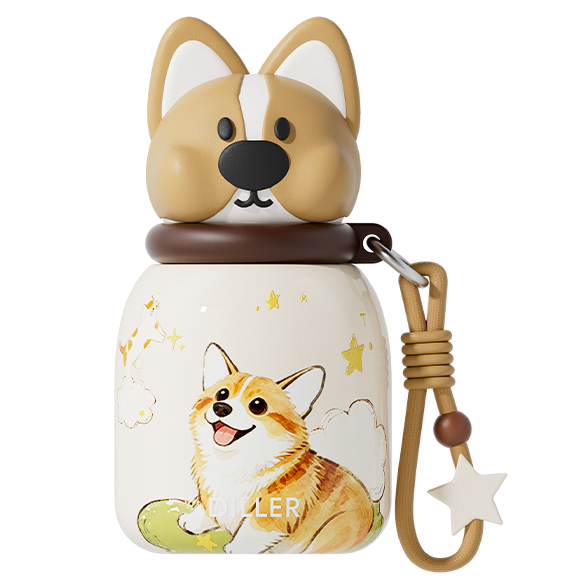
How to Build a Character Kids Insulated Bottle Range
Plan a character kids insulated bottle range by capacity, lid, carry style, artwork, packaging and compliance. A practical wholesale buyer guide.
Kids Water Bottle Product Data and Packaging Checklist
Build a kids water bottle product data record for retail listings, packaging approval, distributor handoff, after-sales and consistent model information.
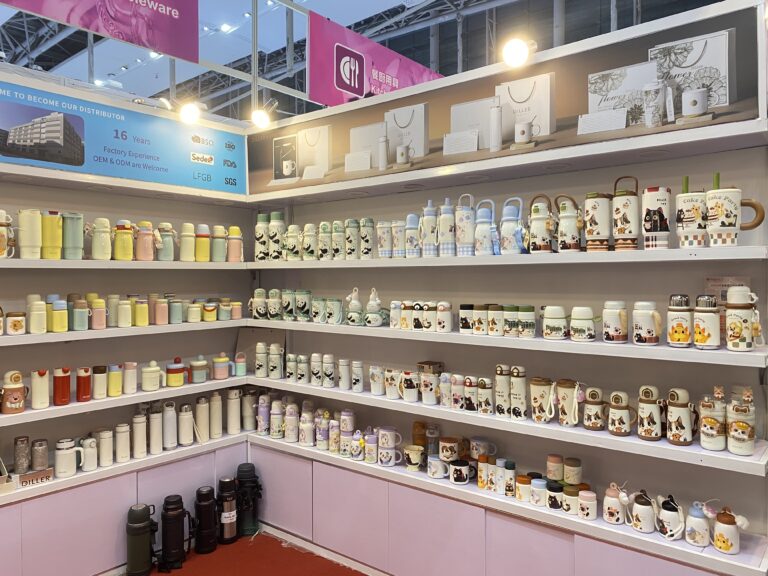
How to Compare Kids Water Bottle Supplier Quotations
Compare kids water bottle supplier quotations with one practical matrix for specifications, packing, evidence, lead time, Incoterms and risk.
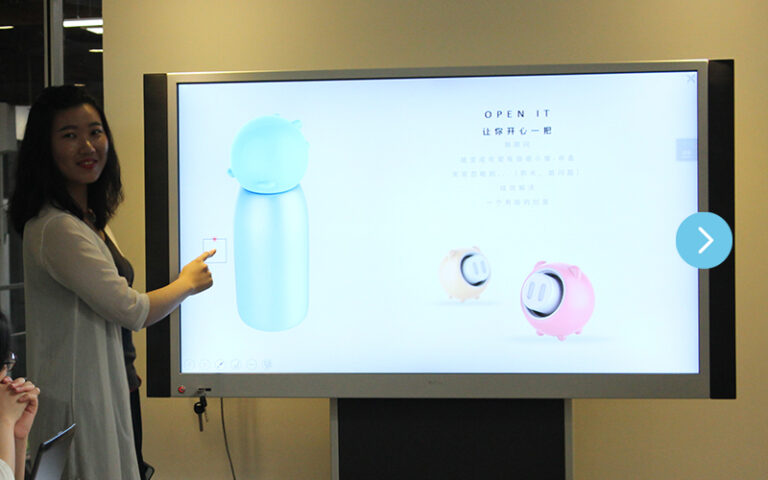
How to Score Kids Water Bottle Samples Before Ordering
Use a practical kids water bottle sample evaluation checklist covering identity, operation, leakage, cleaning, carry, packing and documentation.
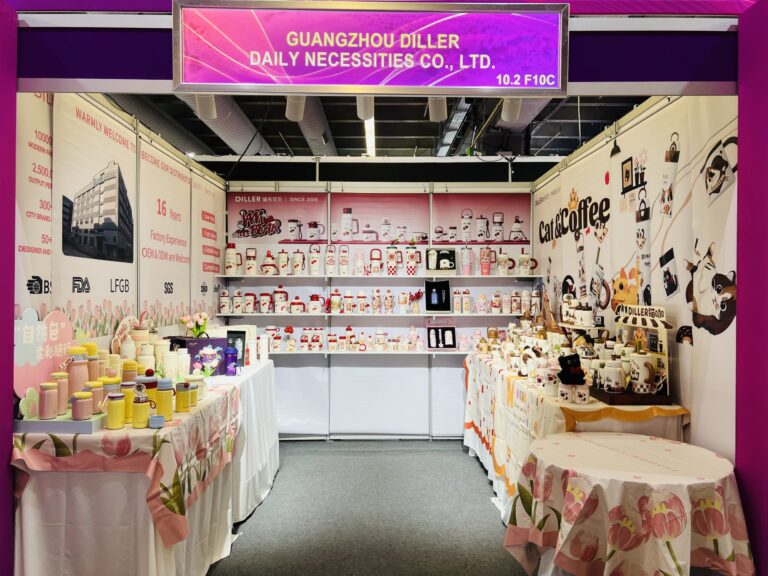
Diller Kids Distribution or Private Label: Which Route Fits?
Compare Diller Kids brand distribution with private label and OEM/ODM routes by speed, control, MOQ, assets, market building and project risk.
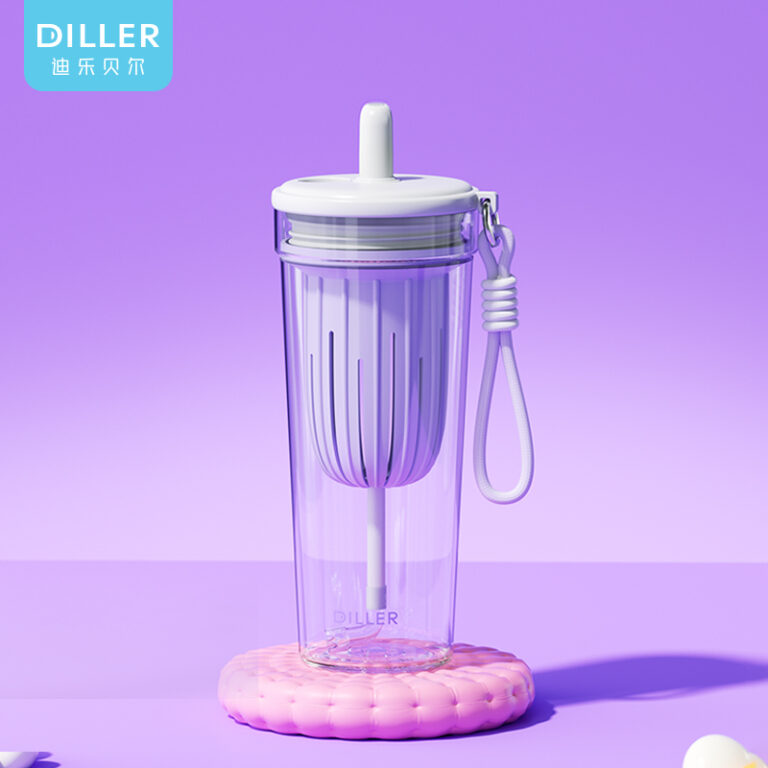
How to Build a 12-SKU Kids Water Bottle Opening Range
Build a focused 12-SKU kids water bottle wholesale range using four product roles, three colours per model and a practical launch scorecard.
How to build a useful opening range.
Start with the customer and channel, then select products. A smaller coherent range is often easier to explain, display and learn from than a large mixed catalogue.
Define the user
Age group, school stage, daily routine, climate and who makes the purchase decision.
Define the channel
Baby store, family retail, gifting, e-commerce, supermarket or specialist distribution.
Cover key use cases
Early straw drinking, school, travel, sport, insulation and larger everyday hydration.
Create visual coherence
Choose colours, characters, capacities and price positions that work as one collection.
A practical material comparison.
Material choice affects weight, transparency, insulation, heat resistance, structure, cost and documentation. Confirm the exact construction for each model.
| 304 stainless steel | Common direction for durable bottle bodies and vacuum-insulated structures. |
|---|---|
| 316 stainless steel | Used in selected higher-grade inner-liner directions depending on the product brief. |
| Tritan | Transparent, lightweight material direction used in selected daily hydration bottles. |
| PPSU | Heat-resistant material direction used in selected early-stage or child-focused products. |
| Food-grade PP | Widely used for lids, handles, covers and other structural components. |
| Silicone | Commonly used for seals, straws, soft-touch components and leak-control parts. |
What to confirm before requesting a quotation.
A clear brief helps the team recommend products and prepare relevant information faster.
Market and sales channel
Country, customer type, retail format and how the products will be sold.
Models and quantities
Selected model numbers, estimated quantity and whether the plan is trial, launch or repeat supply.
Materials and compliance
Destination-market requirements, documentation expectations and any internal buyer standards.
Branding and packaging
Diller Kids branded distribution, private label, custom decoration or a new ODM direction.
Timing and delivery
Target launch date, sample timing, destination and any critical schedule constraints.
Distribution, private label or OEM/ODM?
Choose the cooperation route that matches the real business goal.
Brand distribution
Sell the original Diller Kids range and develop the brand through your local channels.
Private label
Start from an existing product platform and discuss logo, colour, decoration or packaging.
OEM development
Produce against a clearer customer-defined specification, design or approved sample.
ODM collaboration
Develop appearance, structure, accessories and visual direction as a coordinated program.
Go deeper into the areas that matter to your project.
Materials and control
Review material directions, quality stages, testing areas and documentation.
PARTNERSMarket support
See the product content, training, launch and supply support available for partners.
PRODUCTSCurrent collection
Compare the Diller Kids models currently selected for B2B inquiry.
Questions buyers commonly ask first.
Do you sell directly to individual consumers?
No. This website is focused on distributors, importers, retailers, wholesale buyers and qualified OEM/ODM projects.
Can I receive public wholesale prices?
Partner pricing depends on model selection, quantity, market, packaging and delivery requirements, so it is provided by quotation.
Can I select several models for one inquiry?
Yes. Use the product catalogue inquiry list to select multiple models and send one consolidated request.
Can I request samples?
Sample availability and arrangements are discussed after the team reviews your business and selected products.
Are all products made from the same material?
No. Materials vary by product and component. Confirm the exact construction and available documentation for each selected model.
Can Diller Kids support my local product content?
Confirmed partners can discuss available approved images, specifications, catalogue directions and product introductions.
Is OEM/ODM required to become a distributor?
No. Brand distribution is the primary cooperation route. OEM/ODM is a separate option for suitable custom projects.
How quickly will the team reply?
The B2B team reviews the inquiry details and responds using the preferred contact information provided in the form.