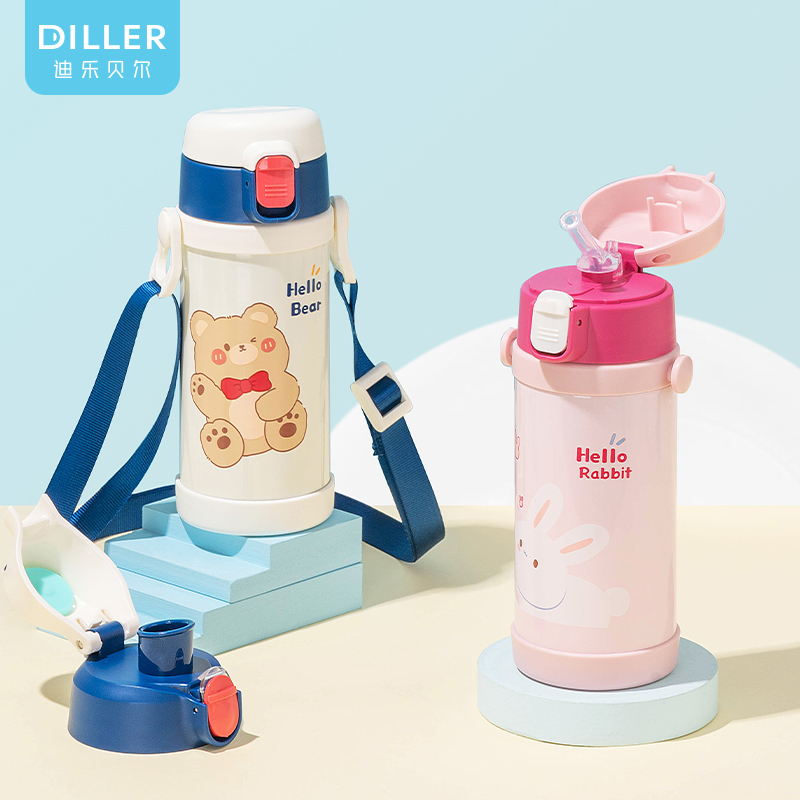

How to Score Kids Water Bottle Samples Before Ordering
A sample is not approved because it looks good on a desk. Buyers should fill it, carry it, open it, close it, clean it, photograph it and compare every result with the exact model specification. A simple scoring system turns personal impressions into a repeatable purchasing decision.
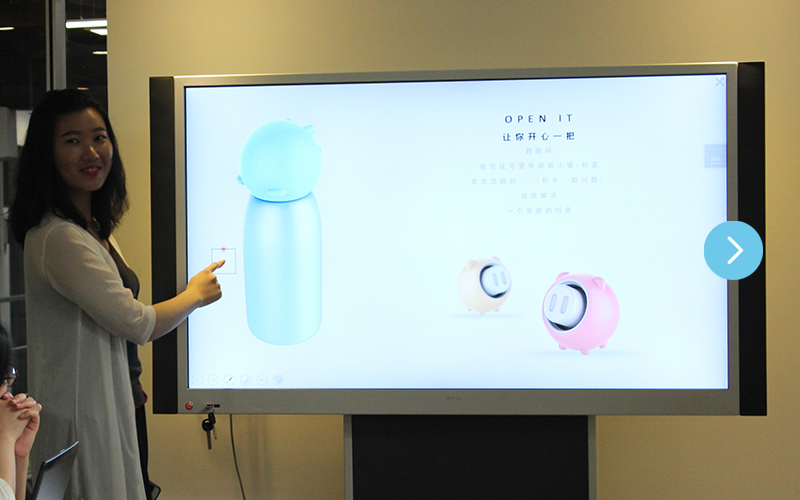
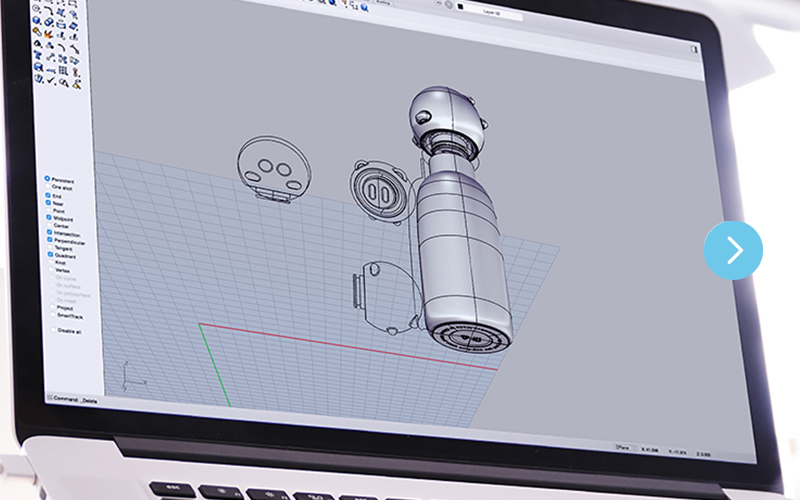
Diller product team reviewing a new kids bottle concept
Product reference / 01
What should a kids bottle sample evaluation cover?
A useful evaluation covers seven areas: product identity, visual finish, opening and drinking, leakage screening, filled carry, cleaning and reassembly, and packing plus documentation. Each concern should be written against the exact model and sample, with a photograph and next action. A general note such as “quality is good” cannot support a purchase decision.
This checklist is written for distributors, importers, retail buyers and brand teams. It supports commercial sample review but does not replace laboratory testing, regulatory assessment, factory inspection or destination-specific legal advice.
Set up the sample record before touching the bottle
Label the sample with its model, colour, capacity, material statement, date received and supplier reference. Photograph the complete bottle, lid, straw, seals, strap, accessories and packaging. If two samples look similar, keep them physically separated and use the exact model code in every note.
Compare the item with the quotation and product specification. Check whether the colour, capacity, included parts and drinking configuration match what was requested. Do not begin performance review with an unidentified or substituted sample; first ask the supplier to explain the difference in writing.
Use a weighted 100-point scorecard
| Area | Weight | What to record |
|---|---|---|
| Identity and specification | 15 | Model, capacity, material, components and requested configuration |
| Finish and assembly | 10 | Surface, printing, colour, fit, odour and visible defects |
| Opening and drinking | 20 | Lock, button, lid, straw, direct-drink path, flow and closure feedback |
| Leakage screening | 20 | Filled orientation checks, closure state, duration and observed moisture |
| Filled carry and daily use | 15 | Weight, grip, strap, balance, bag fit and desk stability |
| Cleaning and reassembly | 10 | Removable parts, access, instructions and correct reinstallation |
| Packing and evidence | 10 | Package contents, labels, specifications and document references |
The weights can change by channel. A preschool-focused buyer may put more weight on operation and cleaning. A school distributor may increase carry and leakage screening. An insulated range may require a separate verified temperature-retention procedure. Keep the scoring rule fixed while comparing candidate samples.
Test the complete opening and drinking sequence
Ask testers to unlock, open, drink, close and relock the bottle without coaching. Record whether the control is visible, whether the closure gives clear feedback and whether the user can operate it with the intended grip. For dual-drink models, test both paths and check that the unused path remains correctly closed.
Do not assign a precise age recommendation from one informal test. Children’s product classification and age grading can involve intended use, product characteristics, marketing and applicable market rules. The U.S. Consumer Product Safety Commission children’s products guidance illustrates why buyer decisions should be connected to the destination and product evidence.
Run a documented leakage screening
Fill the bottle to the agreed level using the intended test liquid and temperature. Close it according to the instructions, dry the outside, then place it in each agreed orientation for a recorded duration. Note the closure state, whether the straw or vent contains residual water and exactly where any moisture appears.
A desk test is useful for comparing samples but should not become an unsupported universal “leakproof” claim. The final claim must match the product, closure condition, test method, production control and market communication. Use the wholesale leakage checklist for a more detailed buyer workflow.
Evaluate the bottle when it is full
Capacity changes the experience. Weigh and carry the filled bottle, use its handle or strap, place it in a representative school bag and set it on a desk. Check balance, bottle diameter, strap attachment, contact with other items and whether the child-facing controls can be pressed accidentally in the bag.
Compare different roles rather than expecting one bottle to win every category. A 380 ml compact bottle such as D2624 should not be judged against an 810 ml PPSU school bottle such as D2607 without accounting for the different use case.
Disassemble, clean and reassemble only as intended
Follow the supplied care instructions. Record which straws, seals or lid parts are intended to be removable and how they return to the correct position. Check whether the cleaning access and reassembly steps can be explained accurately on a product page or after-sales card.
Do not assume that every bottle made with the same body material has identical care instructions. Printing, coating, lid parts and decorative components may change the answer. Eastman provides general Tritan material information, while the final finished-product instructions still need model-specific confirmation.
Separate sample observations from compliance evidence
A buyer can observe dimensions, operation, finish and basic use behaviour. A buyer cannot confirm food-contact compliance, migration limits or every material claim by looking at the bottle. Request the model specification, material declaration, available test reports, test scope, report date and the exact product or component covered.
The European Commission food-contact materials overview explains the general European framework. Importers remain responsible for reviewing the rules, documentation and labelling applicable to the destination. Use the Diller Kids compliance document checklist to organise the supplier evidence.
Finish with pass, concern or action
A score alone is not a decision. Mark each section as pass, concern or action required. A concern should identify the evidence needed, the responsible person and the due date. For example: confirm lid colour against the approved reference, repeat the orientation test with the revised seal, or request a report that covers the exact material and destination.
Do not average away a critical failure. A high visual score cannot compensate for an unresolved closure, documentation or safety concern. Approve the sample only when mandatory actions are closed and the final configuration is frozen for quotation, content and production.
Send a useful sample feedback report
- State the model, colour, sample date and requested configuration.
- Attach labelled photographs or short videos for each concern.
- Describe the test setup and observed result without exaggeration.
- Separate specification, appearance, operation, packing and document questions.
- Name the required action and the person responsible for confirmation.
- Freeze the approved sample or revision before the order proceeds.
Share your target market, channels, models and sample requirements through the Diller Kids partner inquiry. The product team can confirm the available sample route and model-level information for the project.
Frequently asked questions
How many kids water bottle samples should a buyer compare?
Compare enough samples to represent the distinct range roles under consideration. Three to five well-chosen models often reveal more than a large set of near-duplicates, provided each is tested with the same scorecard.
Does a passed desk leak test prove a bottle is universally leakproof?
No. Record the exact closure state, liquid, temperature, orientation and duration. Any public claim must match the finished product, test method, production control and destination requirements.
Can a buyer verify material safety by looking at a sample?
No. Visual review cannot establish food-contact compliance or migration performance. Request model-specific specifications and relevant documentary or laboratory evidence for the destination market.
What should happen when a sample has one serious concern?
Do not hide it inside an average score. Record the concern, required evidence or correction, owner and due date, then approve only after the mandatory action is closed.
Sources and further reading
Built on 16 years of drinkware experience.
Our buyer guides combine product development, material, quality-control and international market experience. Confirm final specifications and destination requirements for each selected SKU.
Build a clearer Diller Kids inquiry.
Share your market, channel, preferred models and estimated quantity. We will confirm suitable products, availability and the next commercial step.