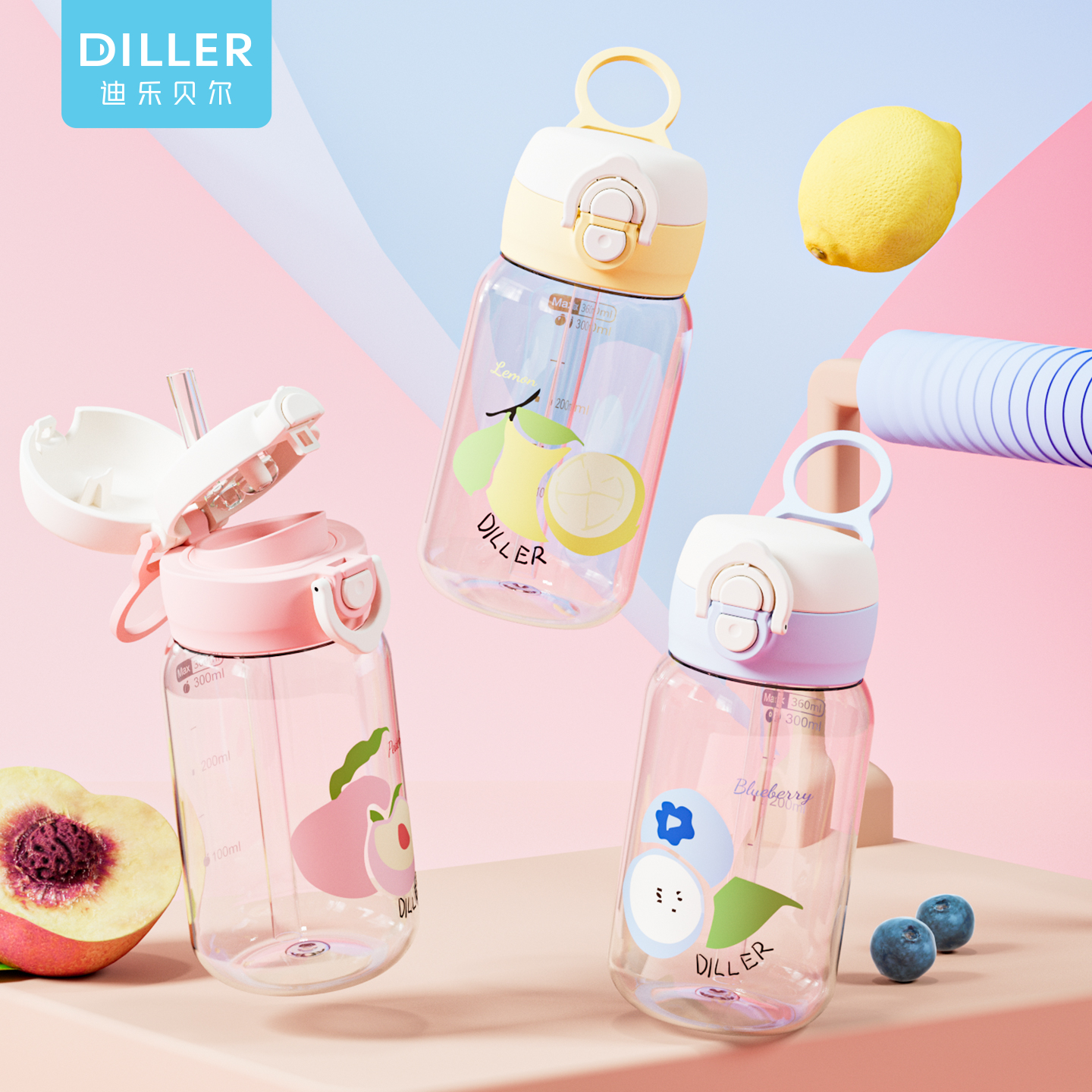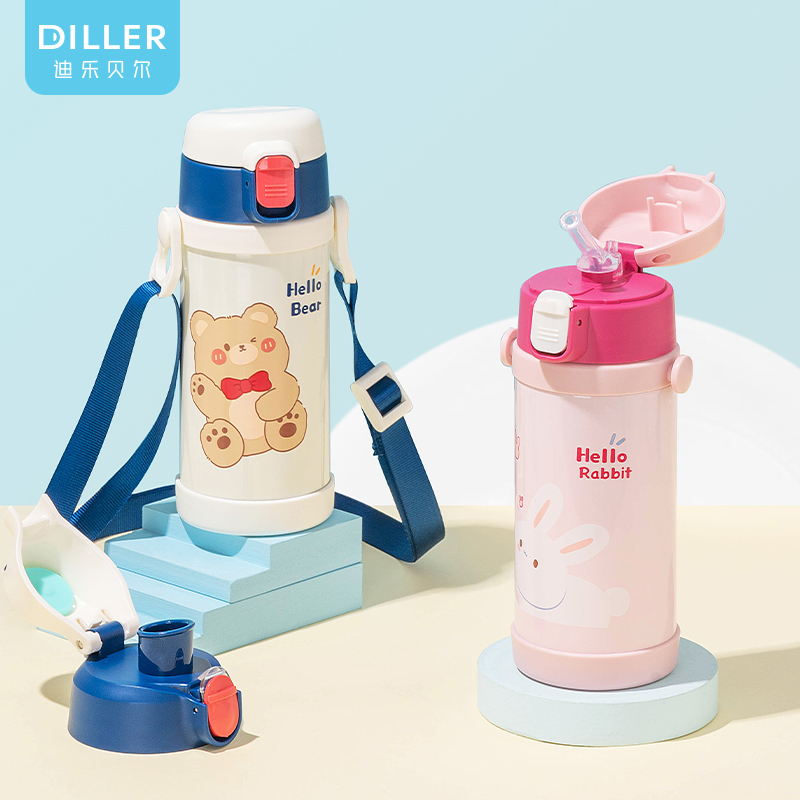

Diller Kids Distribution or Private Label: Which Route Fits?
Brand distribution and private label solve different business problems. Diller Kids distribution is designed for partners who want to bring an original Chinese kids drinkware brand into their market with an existing product identity. Private label or OEM/ODM is better suited to buyers who need their own brand, specification or development route.
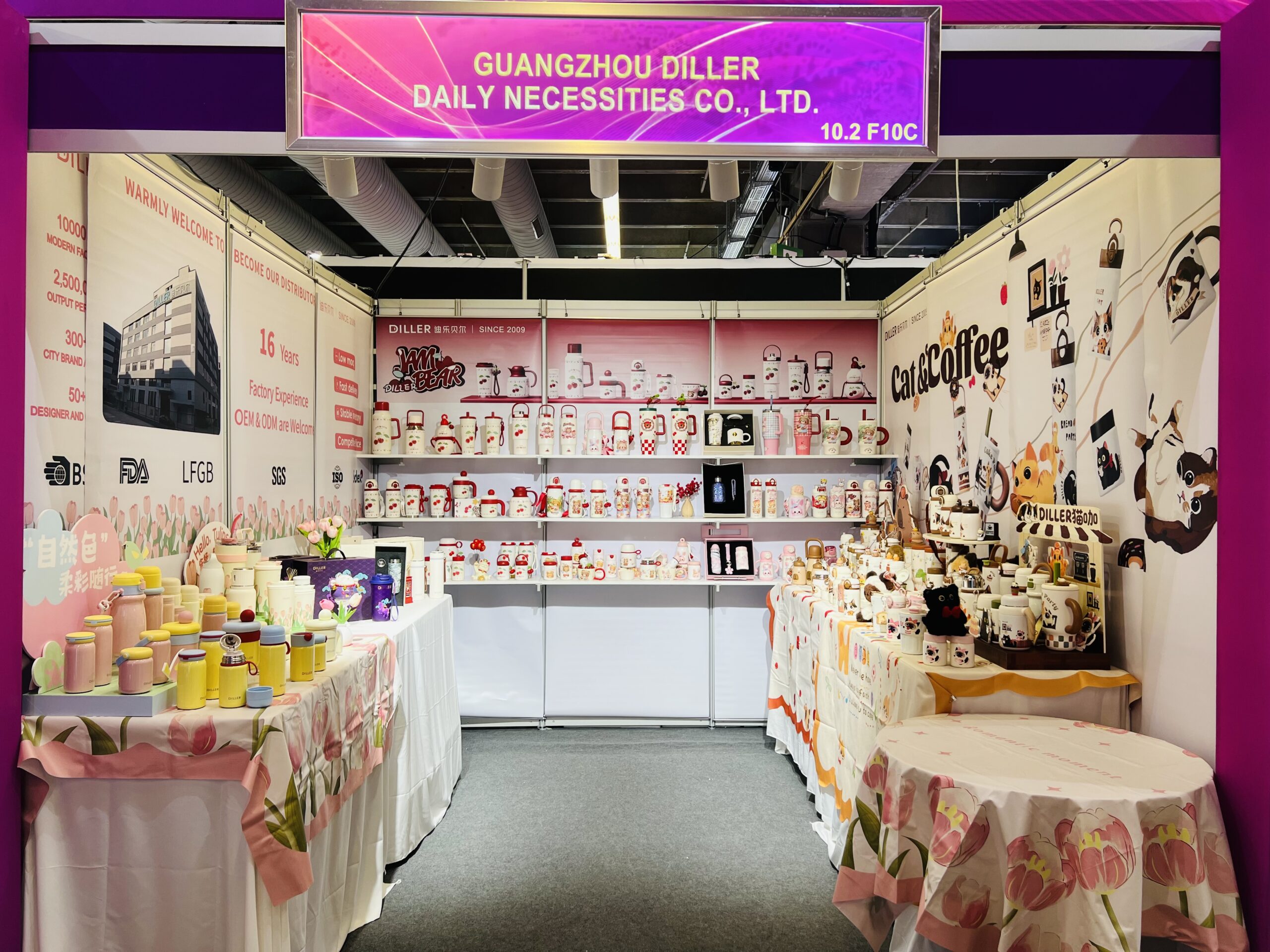
Diller Kids drinkware range presented to international buyers
Product reference / 01
The short answer: start from the business you want to build
A distributor who wants a recognisable product line, approved brand assets and a practical stock-based opening route should first evaluate Diller Kids distribution. A retailer or importer whose own brand is central to the channel may prefer private label. A business with a validated unmet product requirement may need OEM/ODM.
These routes should not be blended into a vague request for the cheapest customised bottle. The commercial responsibility, timeline and value created are different. A clear route helps the supplier give a useful quotation and helps the buyer measure whether the project is working.
Compare the three routes before requesting prices
| Decision area | Diller Kids distribution | Private label | OEM/ODM development |
|---|---|---|---|
| Brand on product | Diller Kids | Buyer’s brand on an existing direction | Buyer’s brand on a developed product |
| Best reason to choose | Build an original kids brand locally | Extend an existing retail or house brand | Solve a validated product gap |
| Typical preparation | Range selection and market launch | Artwork, colour, packing and approval | Brief, engineering, sampling, testing and tooling where required |
| Speed | Potentially fastest for confirmed stock | Longer than stock due to approvals | Longest and most variable |
| Buyer responsibility | Local brand development and channel execution | Brand, claims, artwork and channel content | Complete commercial and product brief plus approvals |
When Diller Kids distribution is the stronger choice
Distribution fits importers, regional distributors, baby and family retailers, school channels and e-commerce operators that want a product identity they can develop locally. The range already connects insulated, Tritan, PPSU and straw formats under one child-focused brand direction. Partners can begin with a focused assortment instead of designing a brand system and product presentation from zero.
Start by reviewing the Diller Kids wholesale product catalogue and identifying a small group of models that creates clear capacity, material and price roles for the local channel.
There is no fixed distributor entry threshold. Selected confirmed stock models may start from MOQ 50, subject to model, colour, carton and availability. Regional protection can be discussed when the company, territory, channels, volume and growth plan support it. These points are reviewed commercially and confirmed in writing, not granted automatically.
When private label makes commercial sense
Private label is useful when a retailer or importer already has a trusted brand, a defined customer base and the ability to maintain its own product information, packaging and after-sales process. The buyer should know the target price, required capacity, preferred material, decoration method, packaging format and destination requirements before asking for a firm proposal.
The route creates more control, but also more ownership. Artwork approval, trademark clearance, translated labels, claims, barcodes and local market compliance sit with the buyer and its responsible advisers. A model should not be customised simply because customisation is available. The change should improve recognition, channel fit or margin enough to justify additional approvals and inventory.
Use the private-label kids bottle guide to prepare the brief before comparing quotations.
When OEM/ODM is justified
OEM/ODM begins with a product requirement, not a mood board. The buyer may need a different capacity, lid interaction, carry system, component structure, form or packaging system that existing products cannot provide. That requirement should be connected to user research, channel feedback or a clear range gap.
Development can include concept review, structure work, prototype evaluation, tooling, decoration trials, packaging, testing and production approval. Every stage introduces decisions and possible revision. The buyer needs a project owner who can answer questions promptly and maintain one controlled version of the specification.
Diller has 16 years of drinkware experience behind the Diller Kids sub-brand, with product development, manufacturing and quality-control capabilities. The OEM/ODM capability page explains the working route without treating every project as identical.
Compare total project cost, not the first unit price
The first quotation rarely describes the entire investment. Compare samples, logo or colour setup, packaging, tooling where applicable, testing, inspection, freight assumptions, product photography, listing production, replacement parts and slow inventory. Also price the internal time required for approvals and corrections.
A branded stock route may have a higher visible product value but reach the market faster with an established identity. Private label may improve channel ownership but requires the buyer to fund and operate the brand work. OEM/ODM can create stronger differentiation, but only when expected volume and margin can absorb development risk.
Understand what regional protection does and does not mean
Regional protection is relevant to Diller Kids distribution, but it is not a reward for sending an inquiry. It may involve territory, channels, minimum performance, approved use of brand assets, reporting, pricing discipline and review periods. Both sides need a workable growth plan.
Private-label and OEM/ODM buyers normally control their own brand rather than receiving rights to the Diller Kids name. Product similarity, tooling ownership and market restrictions must be handled in the written agreement for the specific project.
Use this decision tree
- If the goal is to sell and grow Diller Kids locally, begin with the distribution route.
- If the buyer already owns a brand and an existing product can meet the requirement, evaluate private label.
- If no current model solves a validated customer need, prepare an OEM/ODM product brief.
- If the requirement is still unclear, order and compare samples before discussing custom development.
- If the business case depends only on the lowest unit price, revisit the channel, margin and inventory assumptions first.
Send the information needed for the correct route
For distribution, share the country, company, channels, target retailers and preferred opening range. For private label, add the brand, artwork status, capacity, material, colour, packaging and quantity. For OEM/ODM, include the user problem, required functions, target cost, forecast volume, launch date and approval owner.
Use the Diller Kids partner inquiry and state the route you are evaluating. The team can then confirm whether a stocked brand range, existing-product customisation or a development project is the appropriate next step.
Frequently asked questions
Is Diller Kids mainly a distributor brand or an OEM factory service?
The first priority is to grow Diller Kids as an original kids drinkware brand through importers, distributors and retailers. Private label and OEM/ODM remain available as separate project routes.
What is the minimum order for Diller Kids distribution?
Selected confirmed stock models may start from MOQ 50, subject to model, colour, carton and availability. Custom branding, packaging and OEM/ODM usually follow different quantities and timelines.
Can a distributor receive regional exclusivity?
Regional protection can be discussed after reviewing the company, territory, channels, order volume and growth plan. Any rights and performance conditions must be confirmed in writing.
Should a new buyer start with OEM/ODM?
Usually only when the buyer has a validated product requirement, forecast volume and project owner. If the market is still untested, a focused branded or existing-model trial can produce evidence with less development risk.
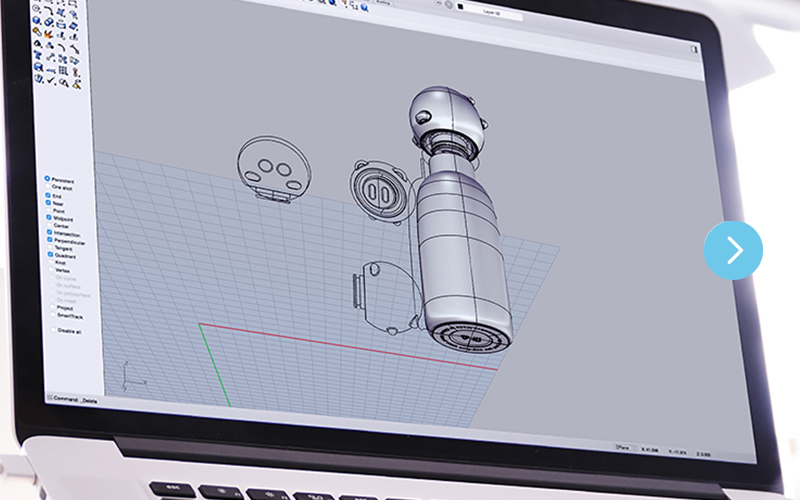
Built on 16 years of drinkware experience.
Our buyer guides combine product development, material, quality-control and international market experience. Confirm final specifications and destination requirements for each selected SKU.
Build a clearer Diller Kids inquiry.
Share your market, channel, preferred models and estimated quantity. We will confirm suitable products, availability and the next commercial step.