
How to Merchandise Kids Water Bottles Online
A strong kids water bottle product page answers the questions that normally create hesitation or returns: what size is it, how does the lid work, what arrives in the box, how is it cleaned and which exact colour or model is being ordered? Good merchandising makes those answers visible before the shopper has to ask.
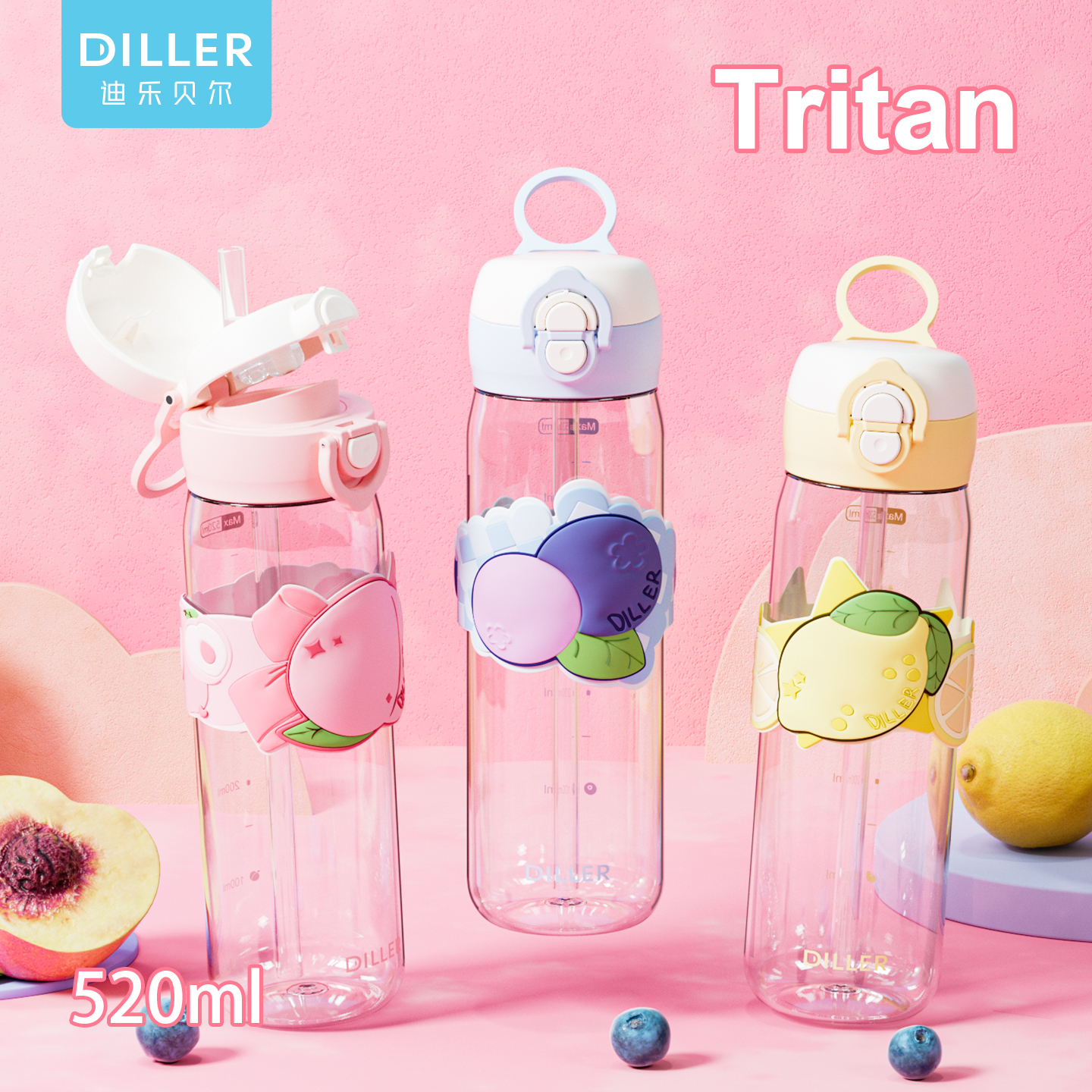
Silicone-grip Tritan Bottle D2621 for school and family retail
Product reference / 01
What must the first screen communicate?
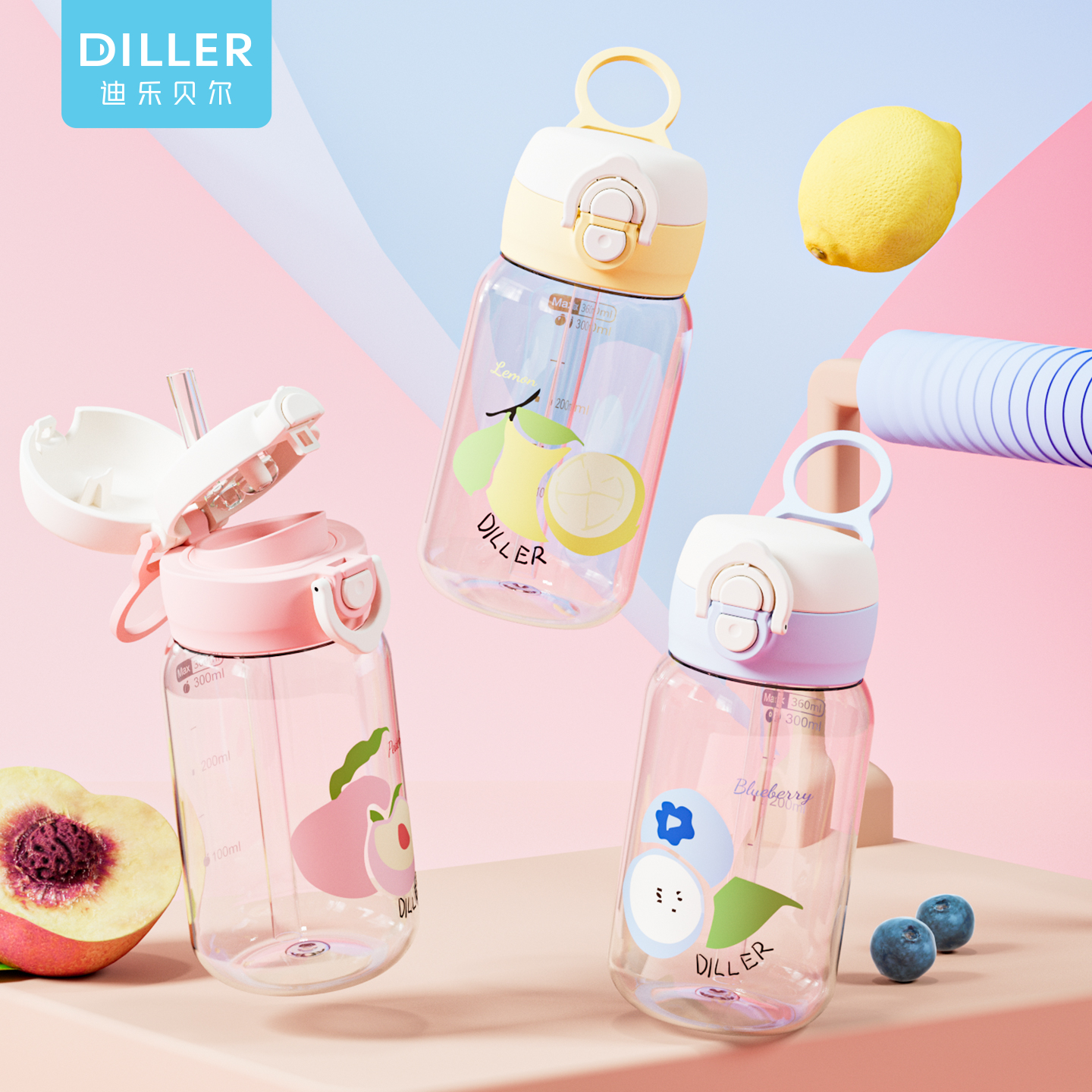
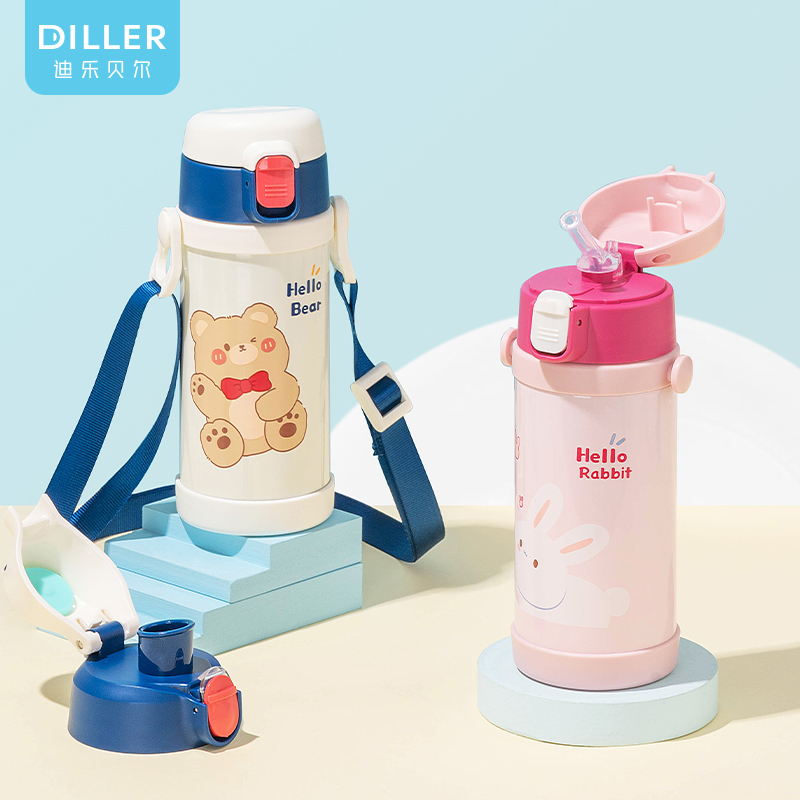
The first product image should show the complete bottle clearly. Avoid hiding the lid, handle or strap behind props. The title should name the product type and capacity without forcing the shopper to decode internal language. A short line can then state the primary confirmed difference, such as dual drinking modes or insulated construction.
For distributors, this begins before the listing is built. Create a product record using the exact model from the Diller Kids catalogue. Record model code, capacity, body and component materials, drinking mode, included parts, dimensions when confirmed, colour name, packaging and approved claims. That record becomes the source for every marketplace and retailer page.
Use a six-image question sequence
| Image | Question it should answer | Recommended content |
|---|---|---|
| 1 | What am I buying? | Clean complete product view that matches the variation |
| 2 | How does the child drink? | Lid open, drinking modes and closure shown accurately |
| 3 | How large is it? | Capacity, confirmed dimensions and a useful scale reference |
| 4 | How is it carried? | Handle, loop or strap in use without hiding the product |
| 5 | How is it cleaned? | Removable components laid out in the correct set |
| 6 | What arrives? | Bottle, accessories and packaging included in the SKU |
This sequence is more useful than six different lifestyle photographs. Lifestyle imagery can follow after the essential product evidence. The shopper should not have to infer whether a strap, spare lid or straw is included because it appeared in a decorative scene.
Keep variation names connected to inventory
A variation is not only a colour button. It is a promise that the image, capacity, lid, included accessories, barcode and stock record all refer to the same item. Use stable colour names rather than changing them between the quotation, marketplace and customer-service system. If a capacity or lid changes, make that difference explicit.
Do not merge similar-looking models into one parent listing when the component set or material differs. This can create inaccurate reviews, wrong replacement-part advice and avoidable returns. Keep the model code visible in internal records even if the public title uses simpler language.
Write specifications that reduce questions
A useful specification section is short, consistent and model-specific. Include capacity, confirmed materials, drinking modes, carry method, included parts, intended beverage or temperature restrictions, care instructions, dimensions when available and package contents. Avoid broad statements that cannot be tied to the exact SKU.
Place high-frequency questions near the relevant information. If shoppers repeatedly ask whether the straw is removable, show it in the cleaning image and say so in the specification. If they ask whether a bottle is insulated, do not bury the construction in an FAQ. The kids bottle material comparison can support staff and distributor training without turning the product page into a technical essay.
Write titles for comparison, not keyword repetition
The title should help the shopper recognise the range position. A practical format is brand, product type, capacity and one defining feature. Repeating “kids water bottle” several times does not add meaning. Use the description to explain who the range role serves and why the design is different.
Begin with a direct answer. For example: “A 600 ml Tritan school bottle with straw and direct-drink modes plus an adjustable shoulder strap.” The next paragraph can explain the school-day use case and cleaning access. This structure reads naturally and gives search engines and AI systems a precise product summary.
Treat care content as part of conversion
Care information is not only an after-sales document. It helps the shopper decide whether the product fits the household routine. Show how the lid, straw and seals are removed and reassembled. State only the cleaning methods confirmed for the finished SKU, including its printing and coating.
Do not assume every bottle using the same body material has identical care instructions. The lid, decoration and accessories may change the answer. Link buyers preparing their own support materials to the model-level document checklist so claims, instructions and product evidence stay aligned.
Localise the decision, not just the language
Translation should preserve the same model facts, but local merchandising may change the order. In a warm-climate school market, capacity and carry comfort may lead. In baby and family retail, grip, cleaning and age positioning may require more space. In gifting, packaging and colour coordination may be more important.
The importer should approve mandatory labels, warnings, language and destination-specific claims. Keep one master content sheet and record which fields can change by market. This prevents a local listing from quietly introducing unsupported terms.
Build a monthly content feedback loop
Collect the exact questions customers ask before purchase and the exact reasons attached to returns. Group them by model. A high number of “too small” comments points to scale communication. “Missing strap” may indicate a package-content mismatch. “Difficult to clean” may require a clearer component image or a product review.
Update the controlled product record first, then update each channel. Do not repair one marketplace page while leaving the distributor PDF and retailer sheet unchanged. A clean source record saves time as the range expands.
Kids bottle product-page checklist
- Confirm the exact model, capacity, colour and included component set.
- Prepare a clean main image that matches the selected variation.
- Show lid operation, scale, carry method, cleaning and package contents.
- Use one specification source for marketplace, retailer and sales materials.
- Review title, claims, care instructions and alt text for accuracy.
- Test the page on mobile before launch.
- Review questions, returns and search terms monthly.
Confirmed Diller Kids partners can discuss approved product images and information for selected models. Use the partner inquiry form to share the country, channel, model shortlist and planned quantity.
Frequently asked questions
What images should a kids water bottle product page include?
Include a complete product view, lid and drinking modes, capacity and scale, carry method, removable cleaning components and exact package contents. Lifestyle images can follow after these essentials.
Should every colour have its own product image?
Yes. The selected variation should show the exact colour and configuration being ordered. Do not use one generic image when the print, lid, strap or accessory colour changes.
How can a listing reduce kids bottle returns?
Make size, filled-use context, drinking mode, included parts and care instructions visible before purchase. Then use customer questions and return reasons to improve the master product record.
Can similar kids bottle models share one listing?
Only when the variation structure remains accurate. If material, capacity, lid or included parts differ, disclose those differences clearly and keep each physical SKU connected to its own inventory record.
Built on 16 years of drinkware experience.
Our buyer guides combine product development, material, quality-control and international market experience. Confirm final specifications and destination requirements for each selected SKU.
Build a clearer Diller Kids inquiry.
Share your market, channel, preferred models and estimated quantity. We will confirm suitable products, availability and the next commercial step.