
Wholesale Kids Water Bottles for Southeast Asia Buyers
For Southeast Asian distributors and retail buyers, the strongest opening range is usually compact, easy to carry, visually distinctive and simple to explain online or in store. This guide shows how to compare wholesale kids water bottles by material, capacity, drinking style and channel before requesting prices.
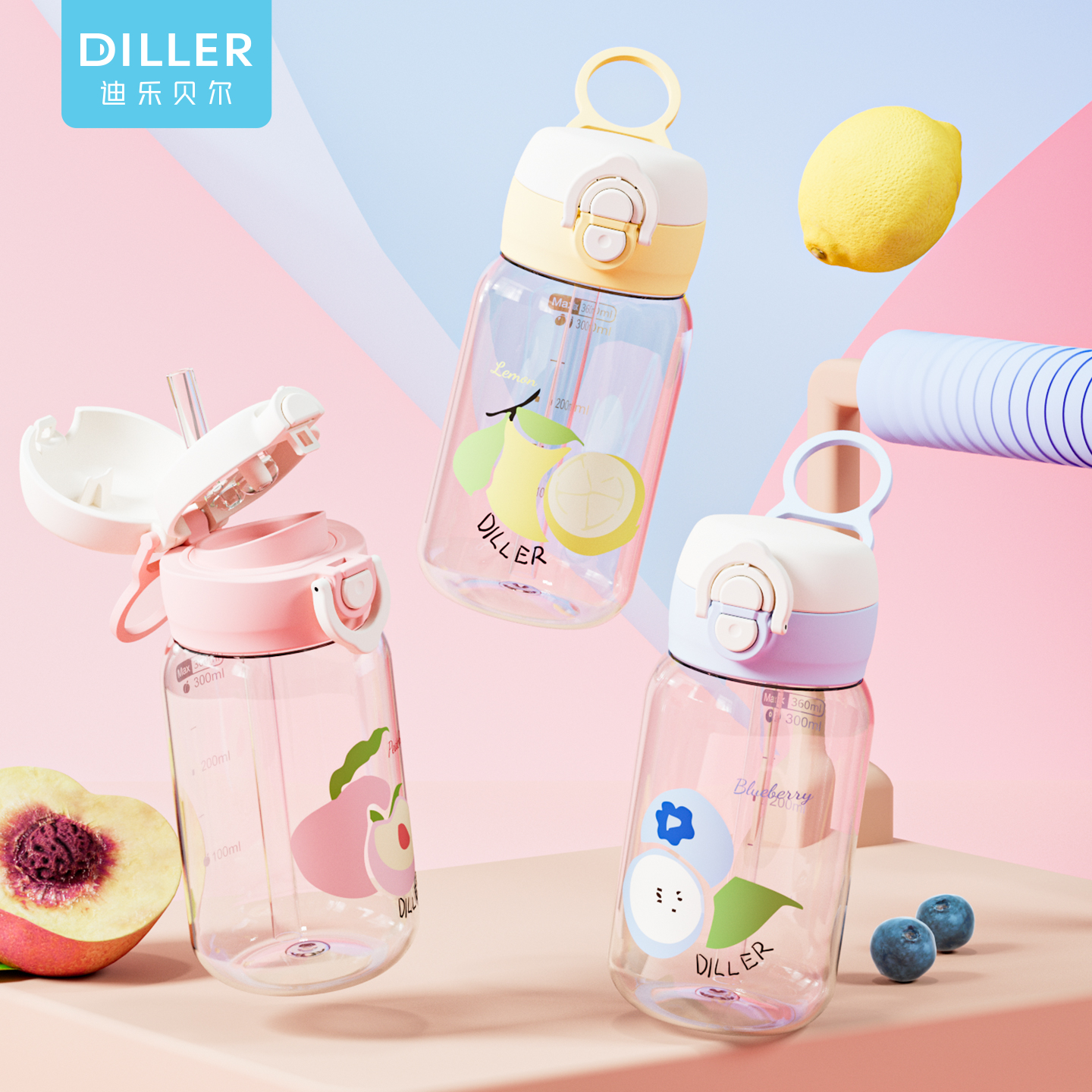
Compact Dual-drink Tritan Bottle (D2624) for wholesale kids bottle ranges
Product reference / 01
What Southeast Asian buyers should prioritise
A useful opening range should solve recognisable daily needs rather than present too many similar bottles. For younger users, a compact bottle with an integrated loop is easier to position. For school and travel, larger capacities, handles and straps become more important. In e-commerce channels, a visible functional difference such as two drinking modes or a protective grip gives the product page a clearer story.
The Diller Kids collection covers insulated bottles, Tritan bottles and PPSU formats. Buyers can review the complete wholesale kids water bottle catalogue and compare models by capacity, material and drinking style before building an inquiry list.
A practical three-part opening range
| Range role | Useful specification | Example positioning |
|---|---|---|
| Compact entry model | Approximately 350-450 ml, loop or small handle | Preschool, short trips and first reusable bottle |
| Core school model | Approximately 500-700 ml, straw or dual-drink lid | Daily school use and mainstream family retail |
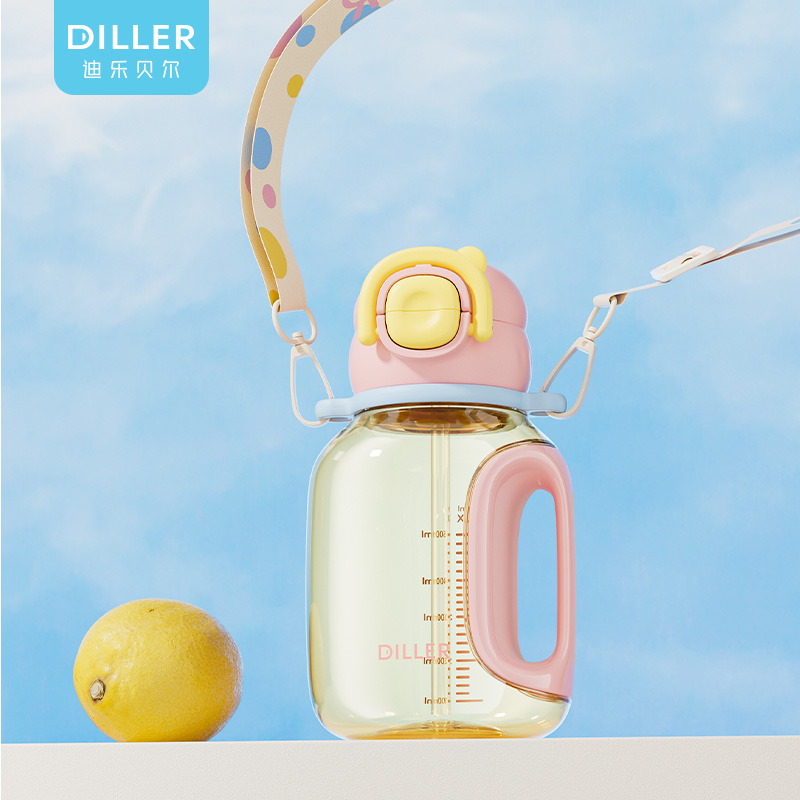
| Large carry model | Approximately 700-900 ml, handle and shoulder strap | Longer school days, travel and warm-climate hydration |
This structure gives buyers a reason for each SKU. It also makes future range expansion easier because new models can fill a defined role instead of duplicating an existing one.
How to choose between Tritan, PPSU and insulated bottles
Tritan works well when buyers want a clear body, visible water level and strong shelf colour. PPSU is useful for buyers seeking a robust, heat-resistant plastic format. Stainless steel insulated bottles create a separate proposition around temperature retention and a more substantial feel. Material choice should follow the intended price band, age group, cleaning expectations and destination requirements.
For a deeper technical comparison, use our kids bottle quality and material guide. The ASEAN food-contact guideline also emphasises traceability, safe intended use and market-appropriate control systems. Buyers should therefore confirm model-specific documentation rather than treating one report as universal for every SKU and country. See the ASEAN General Guideline on Food Contact Materials.
Match the bottle to the sales channel
Baby and family stores
Prioritise easy handling, clear age positioning and product information that staff can explain quickly. Compact and medium-capacity formats create a more approachable first purchase.
School and stationery channels
Focus on capacity, carry options, lid operation and how the bottle fits a school-day routine. Straps, loops and leak-resistant closures are easy features to communicate.
Marketplaces and social commerce
Choose products with visible differentiation in the first image. Dual-drink lids, character details and contrasting grip sections help buyers understand the offer before reading a long description.
Create a clear price and product ladder
A buyer does not need to publish identical margins across every model, but the assortment should have an understandable progression. A compact Tritan bottle can act as an entry point, a larger handled PPSU model can occupy the practical school tier, and an insulated bottle can carry a higher-value proposition. This gives retail staff and marketplace content teams a reason to recommend one model over another.
Before comparing quotations, normalise the commercial details. Confirm whether the price includes standard packaging, which colour mix is available, how many units fit each carton and whether accessories such as straps or replacement lids are included. A lower unit price can become less attractive if the model creates excess packing volume, unclear colour allocation or content that is difficult to localise.
For a first order, protect clarity rather than chasing the widest possible catalogue. One model with a strong role, approved images and a realistic replenishment path can produce more useful market evidence than several unrelated SKUs launched without a clear plan.
Buyer checklist before requesting partner pricing
- State the destination country and main sales channel.
- Define the intended age group and two or three use cases.
- Select preferred capacities, materials and drinking styles.
- Confirm whether you need Diller Kids branded stock, private label or OEM development.
- Share estimated quantities and required delivery timing.
- List destination-specific labelling, testing or documentation requirements.
For Diller Kids branded distribution, there is no fixed distributor entry threshold. Selected in-stock models can start from 50 pieces, subject to availability. Regional protection can be discussed for partners making qualified volume commitments. Use the Diller Kids distributor programme to review the cooperation process.
Frequently asked questions
What is a sensible first capacity for Southeast Asian school channels?
A mid-size bottle around 500-700 ml is a practical core option for many school ranges, while smaller and larger formats can cover younger users and longer days. Final selection should reflect local age groups, school-bag size and price positioning.
Can a buyer start with 50 pieces?
Selected in-stock Diller Kids models can start from 50 pieces, subject to current inventory, colour availability and market confirmation. Custom branding, packaging or newly produced models may require a different quantity.
Are the same compliance documents valid across Southeast Asia?
Not automatically. ASEAN provides general food-contact guidance, but destination-country rules and buyer requirements still need to be checked. Confirm the exact model, material, intended use and destination before agreeing the documentation package.
Sources and further reading
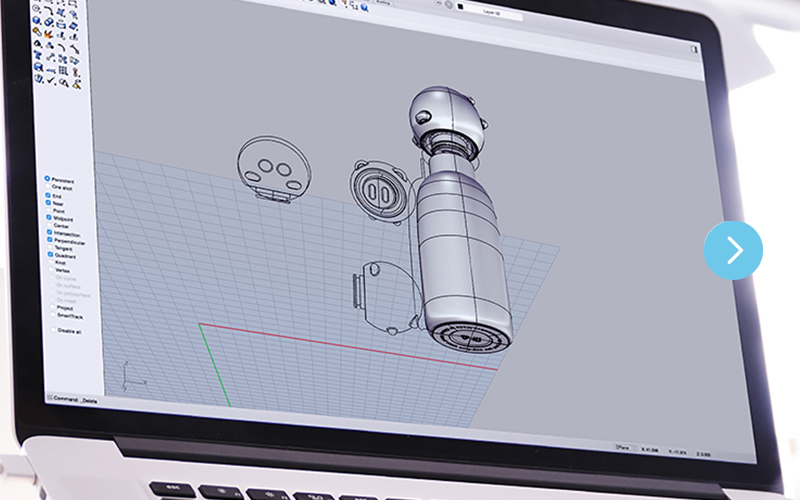
Built on 16 years of drinkware experience.
Our buyer guides combine product development, material, quality-control and international market experience. Confirm final specifications and destination requirements for each selected SKU.
Build a clearer Diller Kids inquiry.
Share your market, channel, preferred models and estimated quantity. We will confirm suitable products, availability and the next commercial step.