
Kids Water Bottle Compliance Documents: A Buyer Checklist
Kids water bottle compliance documents should connect one exact model to its materials, intended use, destination rules, test evidence, labels and production identity. Importers should not accept a folder of unrelated certificates as proof. This checklist shows how to build a model-specific review file before an order is approved.
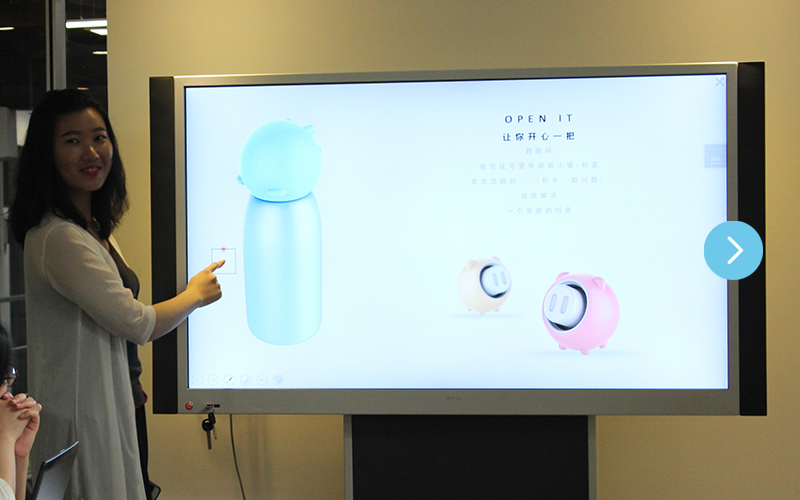
Diller product team reviewing a new kids bottle concept
Product reference / 01
What documents should a kids bottle buyer request?
A useful compliance pack normally begins with a controlled product specification, bill of materials or material list, available food-contact declarations, relevant test reports, approved artwork, care instructions, packing specification and traceability details. The required combination depends on the destination, product classification, materials, age positioning and sales claims.
Ask for documents by model, not by factory. A report for one bottle does not automatically cover another body material, coating, printed area, lid, straw, seal, colourant or accessory. Start with the exact SKU from the Diller Kids product catalogue, then record what evidence is available and what still needs destination review.
| Document | What it should identify | Buyer check |
|---|---|---|
| Product specification | Model, capacity, components, materials, dimensions and intended use | Matches the approved sample and quotation |
| Material or food-contact declaration | Material scope, issuer, applicable framework and use limitations | Covers the relevant food-contact components |
| Laboratory report | Sample identity, test method, result, date and laboratory | Scope and conditions match the destination request |
| Artwork and label file | Claims, warnings, care, capacity, origin and importer details | Approved for the destination language and channel |
| Traceability record | Supplier, model, batch or production reference | Connects shipped goods to production and evidence |
Define the product and intended use first
Testing is meaningful only when the product use is clear. Record whether the bottle is intended for water or other beverages, the expected fill temperature, repeated-use conditions, cleaning method and any restrictions. For U.S. food-contact work, the Food and Drug Administration separates food types and conditions of use; its official food types and conditions-of-use tables illustrate why temperature and food type belong in the review.
Age positioning also affects classification and evidence. In the United States, the Consumer Product Safety Commission considers manufacturer statements, packaging, promotion and how consumers recognise the product when determining whether it is primarily intended for children 12 or younger. Review the official CPSC children’s product guidance and obtain qualified advice for the exact product.
Review food-contact evidence by material and market
For the European Union, all food-contact materials must meet the general framework in Regulation (EC) No 1935/2004 and good manufacturing practice requirements. Plastic food-contact materials are also covered by specific measures. The European Commission explains that a Declaration of Compliance for plastic materials is supported by documentation such as composition and migration evidence; see the official EU food-contact legislation overview.
Commission Regulation (EU) No 10/2011 requires a written declaration at specified marketing stages for plastic materials and articles and says it should be renewed when substantial composition or production changes affect migration, or when new scientific data becomes available. Buyers can consult the current EU plastics food-contact regulation, then confirm which provisions apply with a qualified specialist.
For Southeast Asian or Middle Eastern destinations, do not substitute an EU or U.S. file for local review. Use the ASEAN General Guideline on Food Contact Materials or relevant destination standards as a starting point, and ask the importer or testing partner to define the required scope before samples are submitted.
How to read a laboratory test report
Check the applicant, manufacturer, report number, issue date, sample description, photographs, model numbers, materials, colours and tested components. Then review the methods, simulants, temperatures, durations, limits and results. A passing conclusion is not enough if the tested sample cannot be connected to the ordered product.
Confirm whether the laboratory accreditation covers the relevant method and whether the destination requires a particular laboratory status. For U.S. children’s products subject to applicable CPSC rules, initial certification testing uses a CPSC-accepted third-party laboratory. The official CPSC initial testing guidance also emphasises that required testing varies with product class, intended age, use and material composition.
Add the 2026 U.S. eFiling check
From July 8, 2026, importers of consumer products subject to a CPSC certification requirement generally need to electronically file certificate data for imported products. The rule changes how applicable certificate information is submitted; it does not make every bottle subject to the same tests. Product classification and applicable rules still need to be determined for the exact item.
The CPSC certificate and eFiling guidance lists July 8, 2026 as the general effective date for imported products, with a later date for goods entered from a Foreign Trade Zone. U.S. importers should align product identifiers, test laboratories, rules, dates and certificate records before shipment rather than trying to reconstruct them at customs entry.
Connect labels, claims and traceability
Approved packaging should use claims that the evidence supports. Record the model name, capacity, principal materials, intended-use restrictions, care instructions, country of origin and destination-specific importer information. Avoid broad statements such as “completely non-toxic” or “certified for every market.” A precise statement tied to a material, method or destination is easier to substantiate.
Batch, colour and production references should connect the shipped goods to the approved sample and document pack. This helps incoming inspection, complaint review and any corrective action. The Diller Kids quality and safety process provides a practical starting point for model-specific questions.
Recheck evidence after a product change
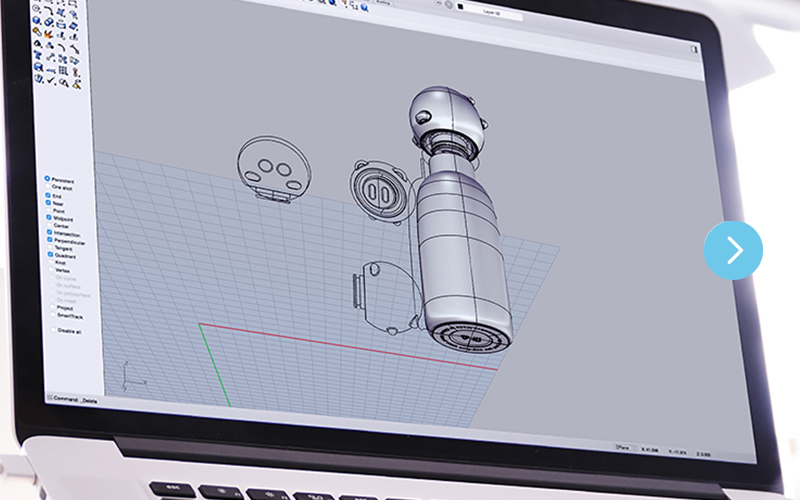
A new colour, coating, printed decoration, resin grade, supplier, seal, straw or lid can change the evidence required. Use a written change-control step that identifies affected components, confirms whether existing reports remain representative and records any retesting or declaration update.
Private-label and OEM projects need this discipline early because artwork and components can change after the base model was tested. Use the private-label kids bottle guide to connect design approvals with document and testing milestones.
Kids bottle document review checklist
- Identify destination country, importer, channel and planned age positioning.
- Freeze the model, colour, components, decoration, packing and intended use.
- Match the approved sample to a controlled specification and material list.
- List the destination rules and evidence requested by the importer or adviser.
- Review declarations and reports for sample identity, scope, methods and dates.
- Approve claims, warnings, care instructions and traceability information.
- Record changes and decide whether documentation or testing needs updating.
- Keep the final purchase, inspection and shipment file under version control.
Send the destination, model shortlist and requested evidence through the Diller Kids buyer inquiry. The team can confirm available model information and identify the questions that need destination-specific review before quotation or production.
Frequently asked questions
Is one test report enough for every kids bottle model?
No. A report should be reviewed against the exact model, materials, components, colours, decorations, intended use and destination requirements. A similar-looking model may have a different evidence scope.
Does a BPA-free statement replace a food-contact test report?
No. BPA-free addresses one topic and does not demonstrate complete compliance with all applicable food-contact, material, labelling or children’s-product requirements.
Do all kids water bottles need a U.S. Children’s Product Certificate?
Not automatically. U.S. classification and certification depend on intended age, presentation, product features and applicable CPSC rules. The importer should determine the exact requirements with qualified guidance.
When should compliance documents be updated?
Review them after material, supplier, colourant, coating, decoration, component, process or intended-use changes and when destination rules or scientific information change.
Sources and further reading
Built on 16 years of drinkware experience.
Our buyer guides combine product development, material, quality-control and international market experience. Confirm final specifications and destination requirements for each selected SKU.
Build a clearer Diller Kids inquiry.
Share your market, channel, preferred models and estimated quantity. We will confirm suitable products, availability and the next commercial step.