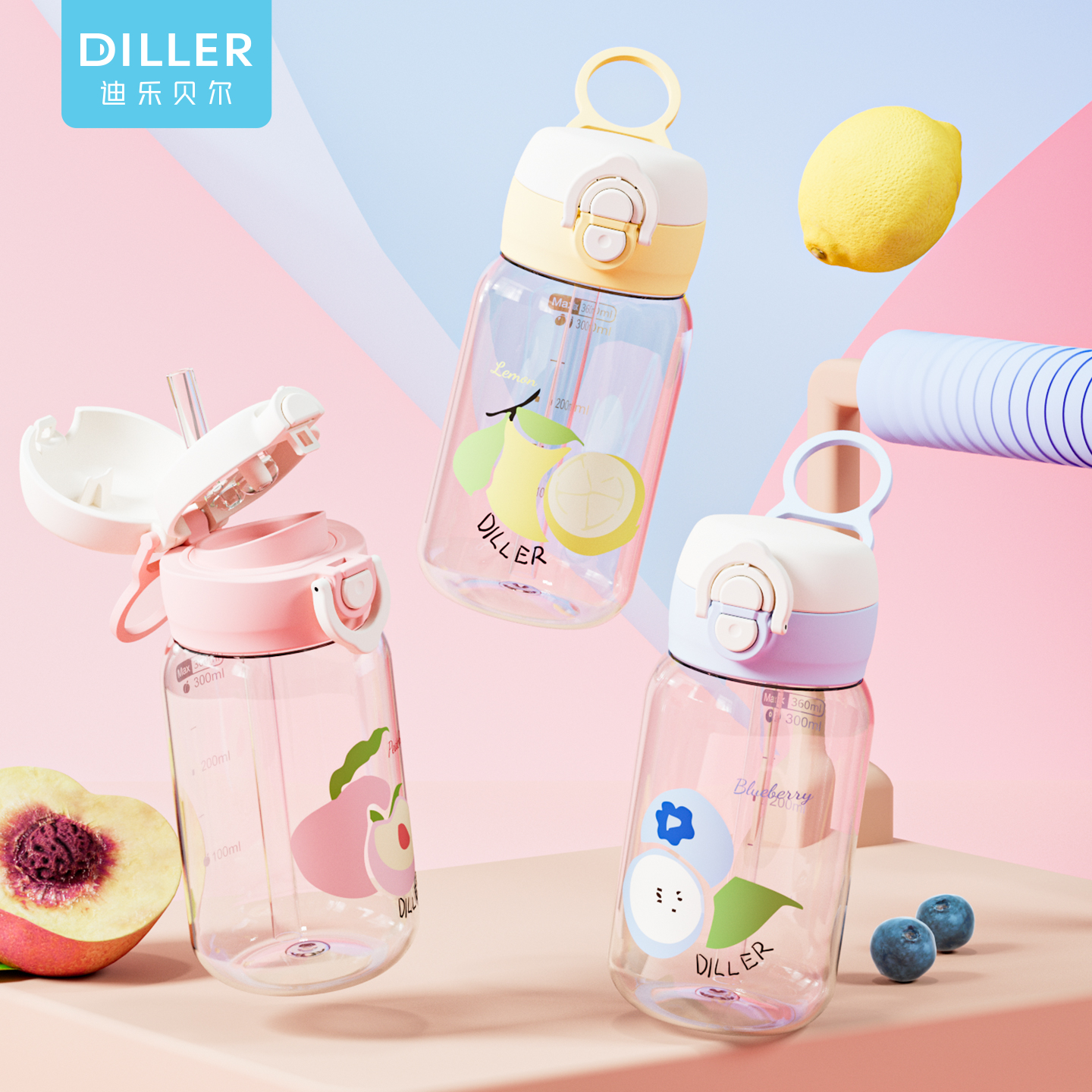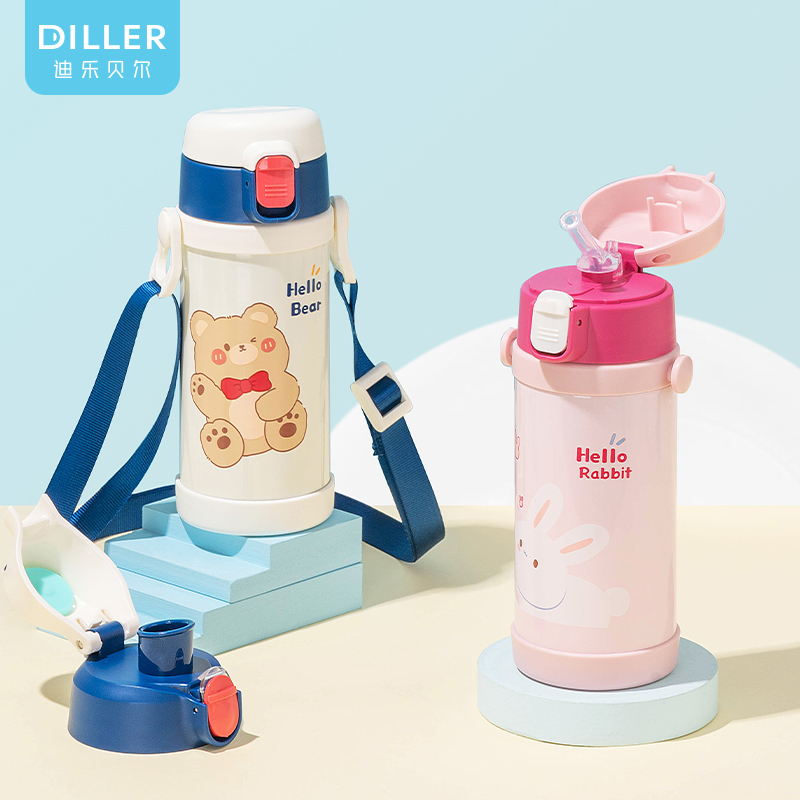

Diller Kids Distributor Launch Plan: First 90 Days
A distribution agreement does not create sell-through by itself. The first 90 days should turn a selected Diller Kids range into accurate listings, retailer conversations, controlled stock and measurable reorder signals. This plan gives both the distributor and brand team a practical operating rhythm.
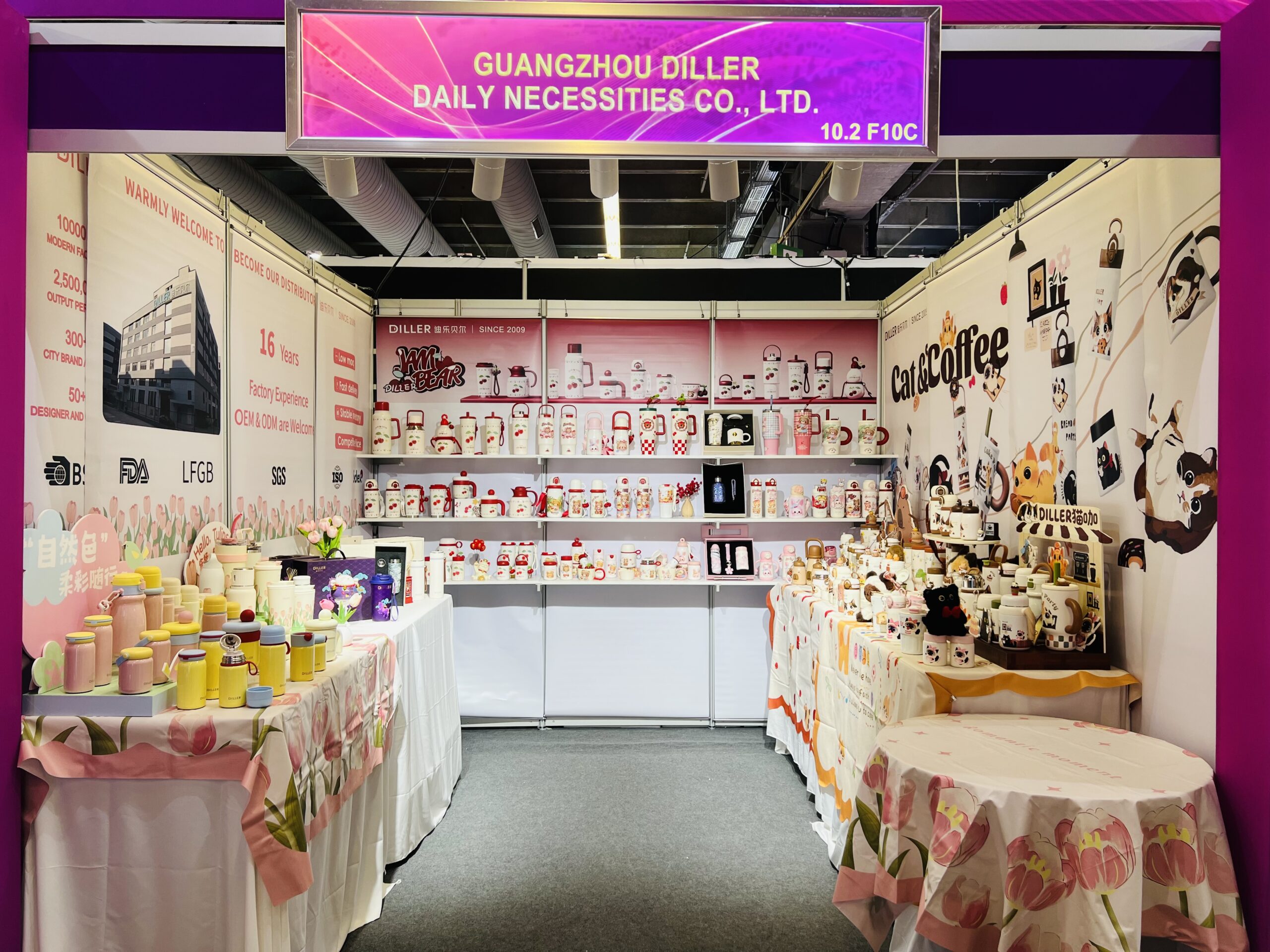
Diller Kids drinkware range presented to international buyers
Product reference / 01
What should happen in the first 90 days?
The first 90 days should move through four stages: market and range confirmation, launch preparation, controlled market entry, and evidence-based optimisation. The distributor owns local channel execution and market feedback. Diller Kids supports product selection, approved brand assets, model information and commercial coordination for the confirmed project.
This kids water bottle distributor launch plan is designed for importers, regional distributors, baby and family retailers, school channels and e-commerce operators. Start with the Diller Kids distributor programme and agree the country, channels and working contacts.
Days 1-15: define the market and opening range
Write a one-page market brief covering target customers, age bands, key sales channels, expected retail price positions, climate or school-day use cases, competing brands and launch timing. Identify which retailers or marketplace categories the distributor can realistically reach during the first quarter.
Select a focused range from the Diller Kids catalogue. Give each model a purpose: compact entry, core school, larger carry, insulated value or a distinctive feature-led option. The 12-SKU opening range guide provides a practical ceiling, but a smaller test range may be appropriate for a new channel.
Selected confirmed stock models may start from MOQ 50, subject to model, colour, carton and availability. Regional protection can be discussed when territory, channels, volume and growth commitments support it and are confirmed in writing.
Days 16-30: prepare assets, listings and sales tools
Freeze the model list and build one approved data record for each product. Localise titles, descriptions, care content and packaging information, then verify the translation against the master specification. Prepare channel-sized images without changing the product colour, accessories or claims.
Use the product data and packaging checklist for the handoff. The distributor should also prepare a price list, range comparison sheet, sample set, retailer presentation, frequently asked questions and contact route for trade inquiries.
Train the local sales and customer-service team on product roles, model codes, drinking methods, included parts, care instructions and available evidence. A representative should be able to explain why two similar-looking models occupy different positions without relying only on price.
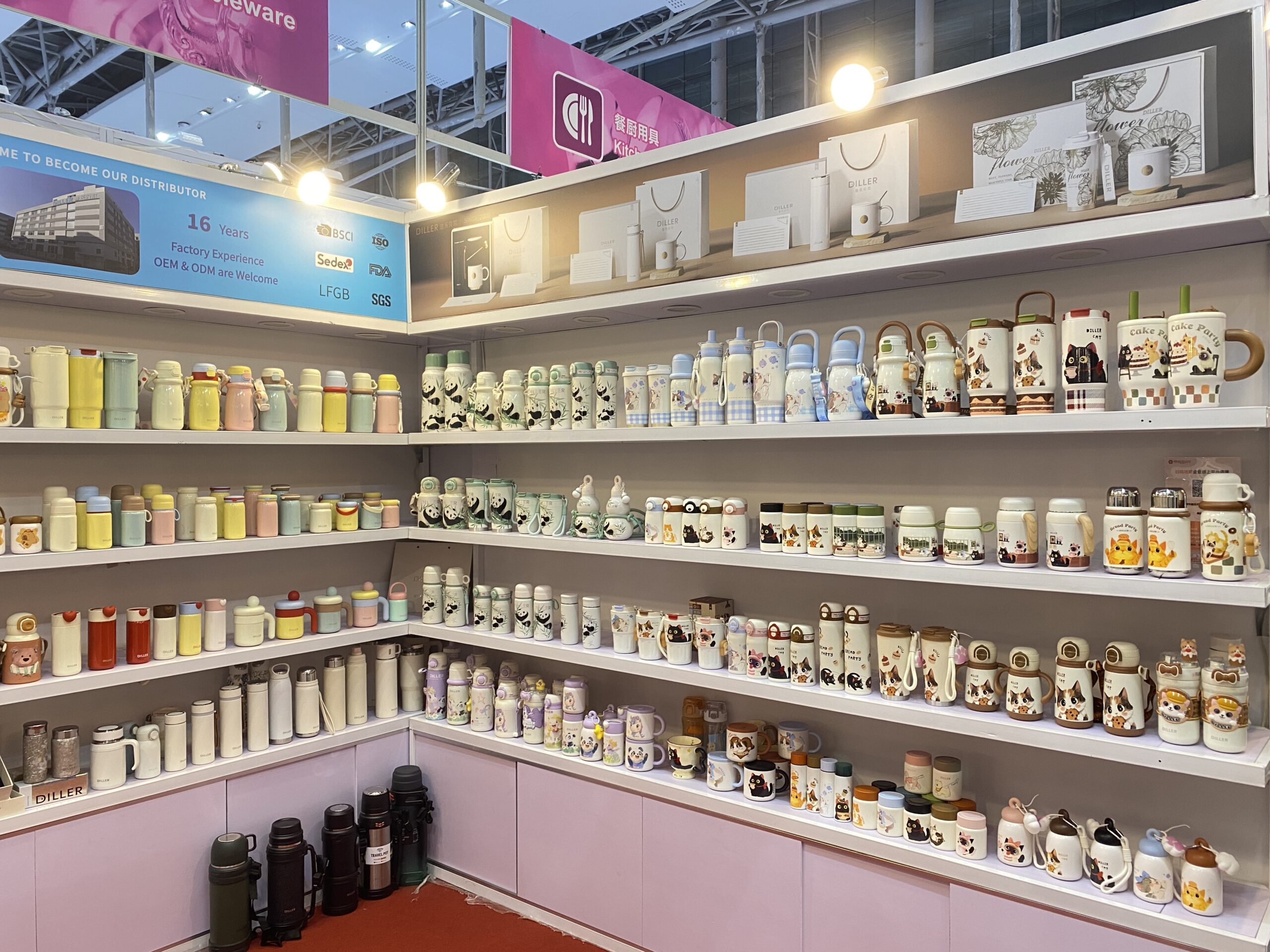
Days 31-60: launch through controlled channels
Begin with channels where the distributor can observe customer questions and stock movement. That may include selected retailers, a marketplace storefront, the distributor’s trade network or a focused social commerce campaign. Avoid placing every model into every channel at once.
For each listing or retailer presentation, lead with the model’s use case, capacity, material, drinking method and carry format. Use the kids bottle merchandising guide to structure online content, and keep trade enquiries connected to a qualified follow-up process.
Track questions from retailers and customers by model. Repeated confusion about capacity, lid operation, included parts or cleaning is a content signal. Correct the listing and sales sheet at the source instead of answering the same issue privately every time.
Days 61-90: measure, reorder and improve
Review sales and stock by model, colour and channel. Compare initial allocation with actual movement. Identify products that sell steadily, products that need better presentation, and products that do not fit the current channel. Do not expand the catalogue until the data identifies a missing range role.
Use the inventory and reorder guide to monitor stock cover, lead time and reorder timing. A good review separates lack of demand from lack of visibility, unavailable colour, incomplete listing data or out-of-stock periods.
Use a weekly launch scorecard
| Area | Weekly measure | Decision supported |
|---|---|---|
| Readiness | Approved listings and retail accounts activated | Whether the range is actually available to buy |
| Reach | Retailer meetings, trade inquiries and qualified leads | Whether channel outreach is creating opportunities |
| Conversion | Sample-to-listing and inquiry-to-order movement | Where follow-up or information is weak |
| Demand | Units sold by model, colour and channel | Which range roles deserve more stock |
| Inventory | Available units, stock cover and stock-out days | When to reorder or rebalance |
| Experience | Questions, returns and after-sales cases by model | Which product data or support process needs correction |
Set local baselines during the first launch instead of borrowing universal benchmarks. Compare each week with the previous period and explain the reason for major changes. A small number of accurate measures is more useful than a dashboard no one owns.
Keep brand and distributor responsibilities visible
Diller Kids provides the original brand direction, agreed product information, available assets and coordination for confirmed models. The distributor owns local customer knowledge, import and market obligations, translation approval, channel relationships, local pricing, promotion, inventory and customer service unless the written agreement states otherwise.
For partners choosing between brand distribution and custom work, the distribution versus private-label guide clarifies the different responsibilities. OEM/ODM should remain a separate project route when an existing product does not solve a validated requirement.
Avoid five early launch mistakes
- Opening with too many similar models and no clear range roles.
- Publishing listings before model data and translations are approved.
- Using one image or claim for multiple products without verification.
- Measuring orders without tracking availability, listings and qualified leads.
- Adding more SKUs before correcting content, allocation or channel fit.
Finish day 90 with a written next-quarter decision
Choose one action for each model: reorder, maintain, improve presentation, rebalance by channel, pause or replace. Record the supporting evidence and owner. Then agree the next 90-day range, retail targets, stock plan, content updates and partner support needs.
Companies ready to develop Diller Kids in Southeast Asia, the Middle East or another qualified market can submit their company, country, channels and opening-range interests through the Diller Kids partner inquiry.
Frequently asked questions
How many products should a new Diller Kids distributor launch?
Use the smallest range that creates clear customer choices across capacity, material and use case. The 12-SKU framework is a planning ceiling, while a smaller channel test may provide cleaner evidence.
Does Diller Kids require a fixed distributor entry threshold?
There is no fixed distributor entry threshold. Selected confirmed stock models may start from MOQ 50, subject to model, colour, carton and availability. Commercial terms are confirmed for each project.
When can regional protection be discussed?
Regional protection can be discussed when the distributor has a credible territory, channel, volume and growth plan. Scope, performance conditions and review periods must be agreed in writing.
What is the most important 90-day distributor metric?
No single metric is enough. Review availability, qualified reach, conversion, sell-through, stock cover and after-sales signals together so weak visibility is not mistaken for weak product demand.
Built on 16 years of drinkware experience.
Our buyer guides combine product development, material, quality-control and international market experience. Confirm final specifications and destination requirements for each selected SKU.
Build a clearer Diller Kids inquiry.
Share your market, channel, preferred models and estimated quantity. We will confirm suitable products, availability and the next commercial step.