
Kids Bottle Replacement Parts and After-Sales Planning
Replacement parts should be planned before a kids bottle range launches, not after the first customer asks for a straw, seal or lid. A distributor needs to know which components are removable, which parts are shared between models, how the item will be identified and what quantity should be held for service.
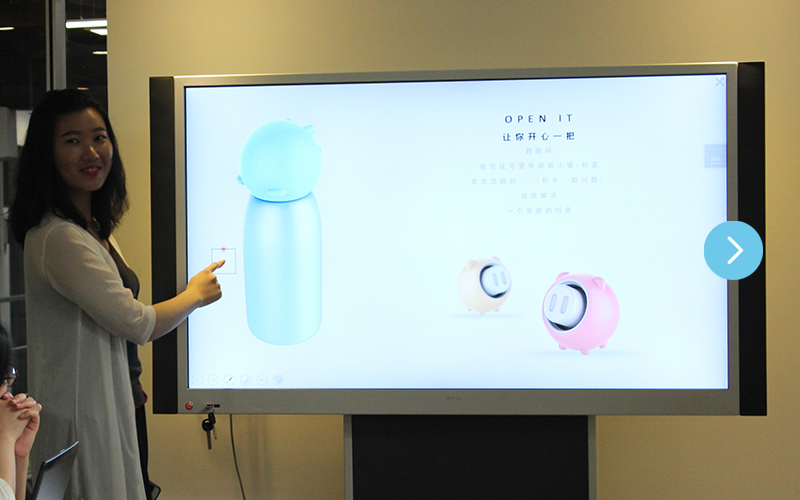
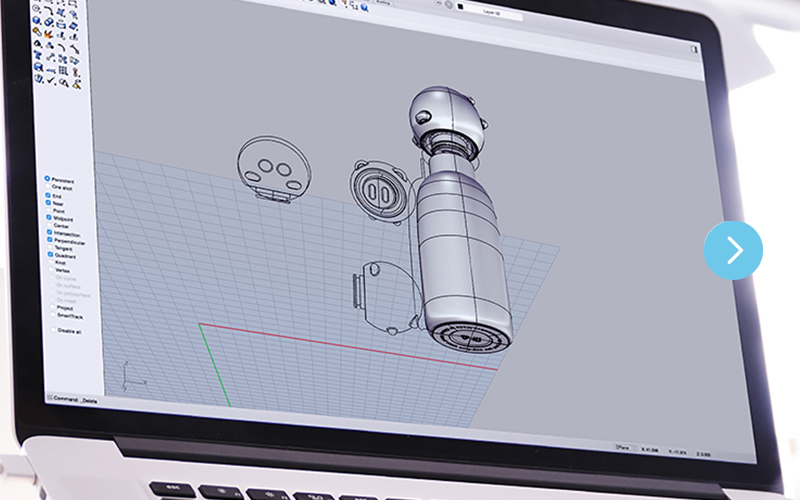
Diller product team reviewing a new kids bottle concept
Product reference / 01
Why after-sales planning belongs in the first order
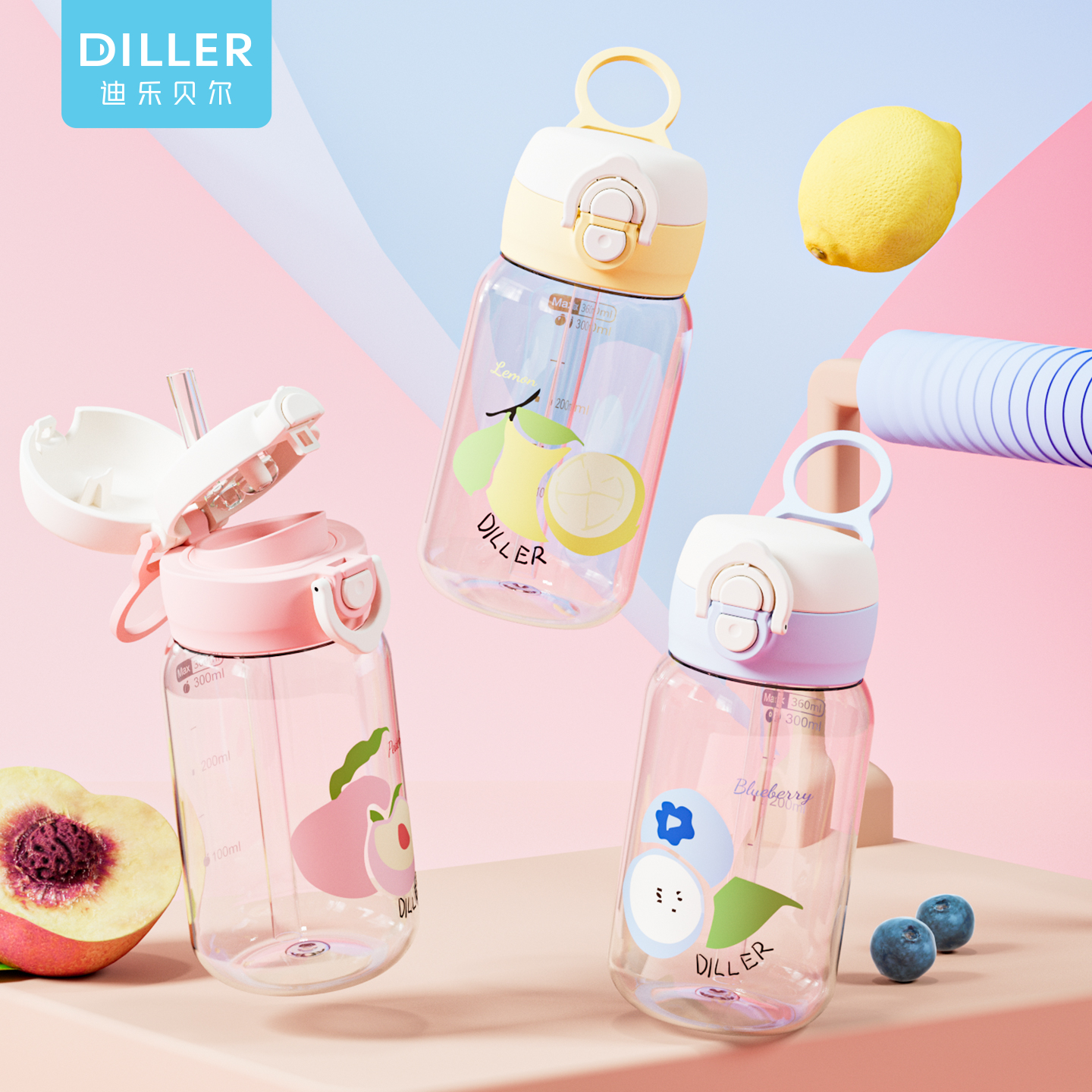
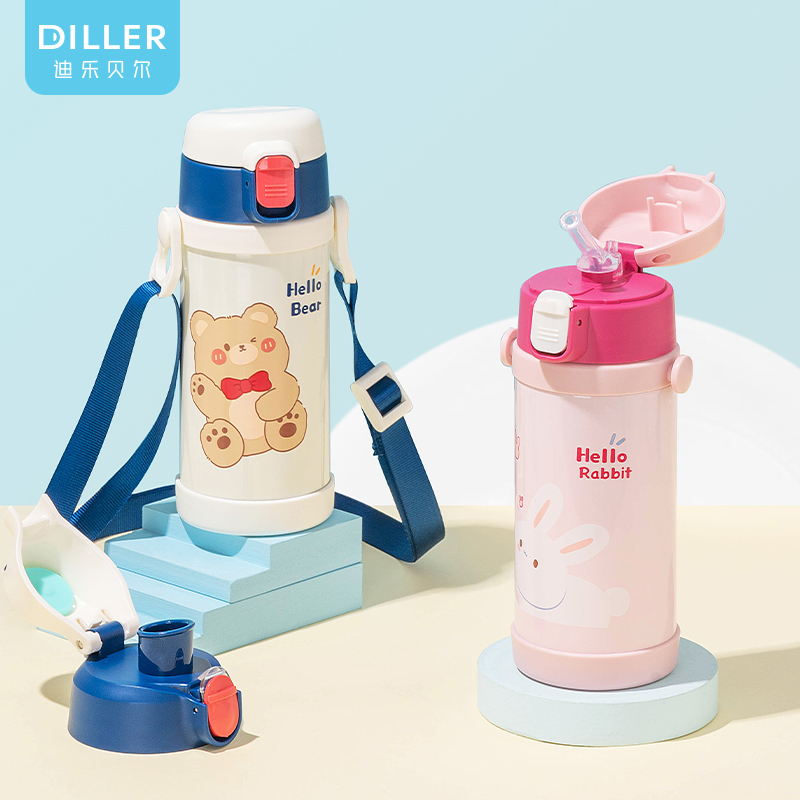
Kids bottles are assemblies. The body, lid, straw, silicone seals, button, lock, handle and strap do not all have the same wear pattern. Some parts are removable for cleaning; some are not intended for customer replacement. If the distributor cannot identify the exact configuration, a simple service request becomes a guessing exercise.
Begin with the model code from the Diller Kids catalogue and record the approved component set. Ask which parts can be supplied separately for that model and whether the answer changes by production batch or colour. Do not assume that two similar lids are interchangeable.
Create a model-level parts map
| Component | Buyer question | Service record |
|---|---|---|
| Straw or tube | Is it removable, cut to model length and available separately? | Part reference, length and compatible model |
| Silicone seal | Can the customer remove it safely for cleaning? | Shape, installation direction and lid version |
| Complete lid | Is the lid configuration shared with any other SKU? | Colour, thread or fit and included components |
| Strap or handle | Is it detachable and included in standard packing? | Attachment type, colour and load-use instructions |
| Decorative part | Is it functional, removable or fixed? | Exact model and approved handling guidance |
A photograph of the laid-out component set is useful, but it must be labelled with the exact model and version. Store that image with the specification, care instructions and approved listing content. This prevents customer service from using a generic diagram for the wrong lid.
Separate care support from replacement
Many questions can be solved with clear care content. A customer may believe a seal is missing when it was removed for cleaning and installed incorrectly. A straw may appear too long until the correct orientation is shown. The first response should identify the model and compare it with the approved component diagram.
Care instructions should explain only the disassembly steps intended for the user. Do not encourage customers to remove fixed parts or use cleaning methods that have not been confirmed for the finished SKU. The online merchandising guide explains where component and cleaning images belong on the product page.
Classify the service request before acting
Use three broad categories: use and care, normal wear or loss, and possible product defect. This keeps support fair and produces better information for the next order. Ask for the model, purchase channel, date, colour, photographs and a concise description. Where relevant, record the batch or traceability reference.
A possible defect needs a different process from a lost straw. Preserve the available evidence and follow the distributor’s quality procedure. If an issue may affect safety, stop giving informal troubleshooting advice and escalate it to the responsible quality and market-compliance teams. Importers should maintain the reporting and corrective-action procedures required in their destination.
How many service parts should a distributor hold?
There is no single percentage for every model. Start with the product structure, expected sales volume, launch period, replacement lead time and which components can be supplied. A new range with a unique lid may require more deliberate service planning than a model that shares a confirmed component across several SKUs.
Record parts issued per 100 units sold, but do not treat every issue as product failure. Separate customer loss, normal wear, cleaning damage, shipping damage and confirmed defects. Review the ratio by model and component before each reorder. This creates a practical service forecast instead of a fixed guess.
Use after-sales questions to improve product content
If the same question appears repeatedly, change the source content. Add a package-contents image when customers expect an accessory that is not included. Add a close-up when seal orientation is unclear. Make capacity and lid configuration more visible when buyers order the wrong variation.
Update the master SKU record first and then distribute the change to marketplaces, retailer pages, PDFs and service scripts. The buyer document checklist can help keep product claims, instructions and model evidence under version control.
Make serviceability part of the commercial comparison
When two products have similar quotations, compare how clearly they can be supported. Ask whether replacement parts are identified, whether care images exist, whether the model will remain available and how parts are packed. A very low product cost can lose its advantage if the distributor must replace complete bottles for simple component questions.
Serviceability does not mean promising every part forever. It means defining what is available, confirming the current lead time and communicating limitations accurately. For Diller Kids branded ranges, discuss service-part needs with the model shortlist rather than after the retail launch.
Run a quarterly after-sales review
Summarise requests by model, component, category, channel and resolution. Identify content changes, inspection findings and service-part consumption. Compare the results with sales volume and stock availability. One model may appear to generate more questions simply because it sells more units.
Share confirmed recurring issues with the supplier using model references and photographs. Avoid broad statements such as “customers do not like the lid.” A useful report explains what happened, how often, under which configuration and how the issue was resolved.
After-sales launch checklist
- Freeze the exact model, colour and component configuration.
- Request an approved parts diagram and care instructions.
- Confirm which parts are removable, replaceable and available separately.
- Create a customer-service model identification step.
- Define care, wear/loss and possible-defect categories.
- Set an opening service-parts quantity and review rule.
- Feed repeated questions back into product content and future orders.
Share the destination, expected sales volume and model shortlist through the Diller Kids partner inquiry. The team can confirm current product and service-part information for the exact project.
Frequently asked questions
Can kids bottle straws and seals be replaced?
It depends on the exact model and component. Confirm whether the part is intended to be removable, whether a matching replacement is available and how it should be installed.
Are similar-looking kids bottle lids interchangeable?
Not necessarily. Thread, seal, straw length, lock and production version can differ. Identify the model and approved lid reference before supplying a replacement.
How many replacement parts should a distributor order?
Base the quantity on model structure, expected volume, lead time and actual service data. Track parts issued per 100 units sold and separate loss, wear, care damage and confirmed defects.
What information should customer service collect?
Collect model, colour, purchase channel, date, photographs, issue description and any available batch reference. This helps distinguish a care question from a missing part or possible defect.
Built on 16 years of drinkware experience.
Our buyer guides combine product development, material, quality-control and international market experience. Confirm final specifications and destination requirements for each selected SKU.
Build a clearer Diller Kids inquiry.
Share your market, channel, preferred models and estimated quantity. We will confirm suitable products, availability and the next commercial step.