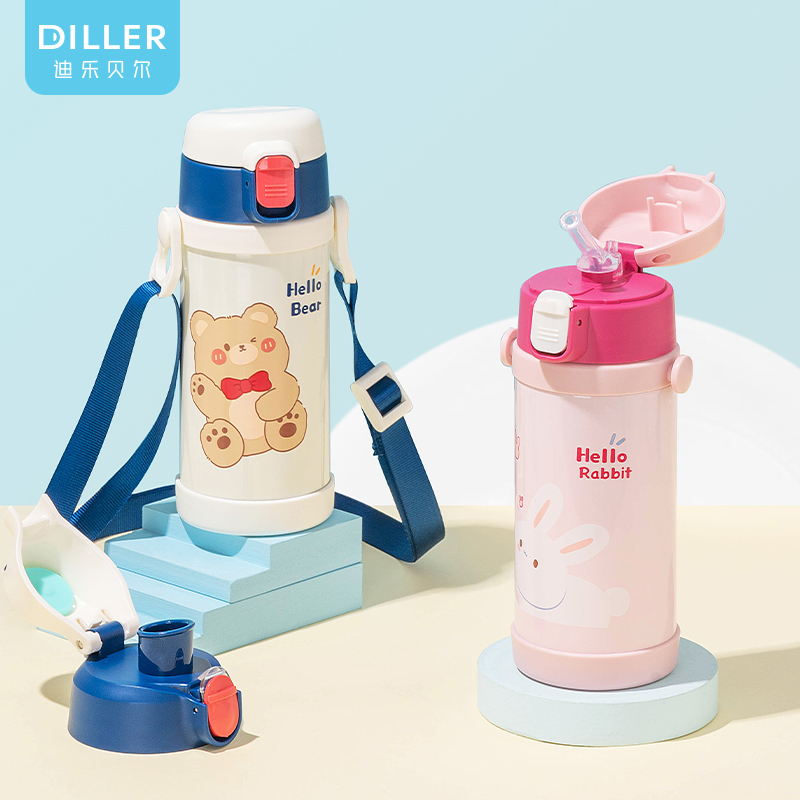

What Makes a Kids Water Bottle Sell Through?
A kids bottle sells through when the shopper can understand its role quickly, the child can use it comfortably and the retailer can replenish it without confusion. Colour matters, but it cannot rescue an overlapping assortment, unclear product content or a lid that is difficult to explain. This guide turns those commercial details into a practical shelf test for distributors and retail buyers.
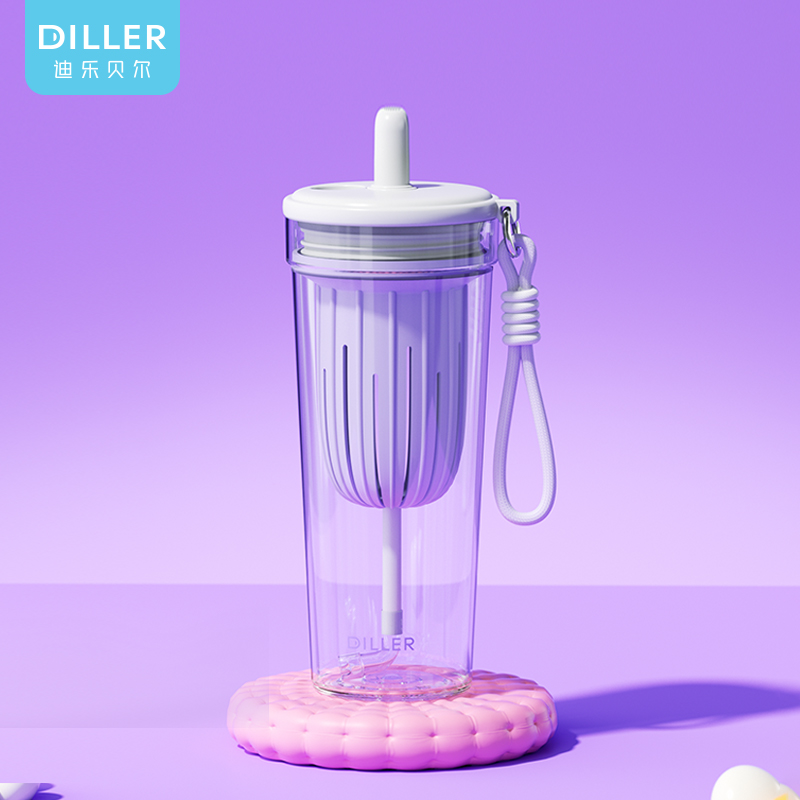
Dual-drink Tritan School Bottle D2407 for retail assortment planning
Product reference / 01
The five-second retail test
Place two candidate bottles side by side and ask a simple question: can a store employee or online shopper explain why both belong in the range within five seconds? If the answer is only colour, the products are probably competing for the same sale. A stronger pair differs in capacity, drinking mode, carry style, material or price role.
This is the first lesson behind kids water bottle retail sell-through. The assortment has to be legible. A compact bottle can serve a younger or lighter-carry role, a mid-size dual-drink model can lead the school range, and an insulated bottle can provide a clear step-up. The current Diller Kids product catalogue lets buyers compare those roles before building a colour plan.
Start with a product role, not a catalogue page
A long catalogue encourages buyers to shortlist products that look attractive in isolation. Retail does not work in isolation. Every new SKU takes shelf space, listing time, photography, barcode control, stock monitoring and customer-service attention. The product should earn that work by filling a gap.
| Range role | Customer question | Useful visible difference |
|---|---|---|
| Compact everyday | Will it fit a smaller bag and feel manageable when full? | Smaller capacity, narrow grip and simple carry loop |
| Core school | Can it cover the normal school day? | Mid-size body, secure closure and strap or handle |
| Long-day carry | Is there enough water for sport, travel or warm weather? | Larger capacity and a carry system designed for filled weight |
| Insulated step-up | Why should the shopper pay more? | Vacuum-insulated construction and a distinct material story |
D2407 can act as a core school reference because its 600 ml format, two drinking modes and shoulder strap create a concise story. D2624 is a more compact 380 ml Tritan reference. MLH9091 creates a separate insulated position. These models do not need identical colours to look coordinated; they need clearly separated jobs.
Test the complete school-day experience
A sample review should include filling, carrying, opening, drinking, closing, packing and cleaning. The empty bottle may feel light, yet the filled bottle may pull awkwardly on a strap. A lid may look impressive in a photograph but take too much explanation at the shelf. A character element may attract attention while the grip or bottle diameter makes the product harder to handle.
Ask testers to perform the same sequence without coaching. Record opening force, closure feedback, drinking angle, flow, balance and whether the bottle returns to a backpack pocket easily. Then disassemble the drinking parts and put them back together. These observations are more useful than a general comment such as “good quality.” The wholesale leak test checklist provides a separate process for evaluating closure performance.
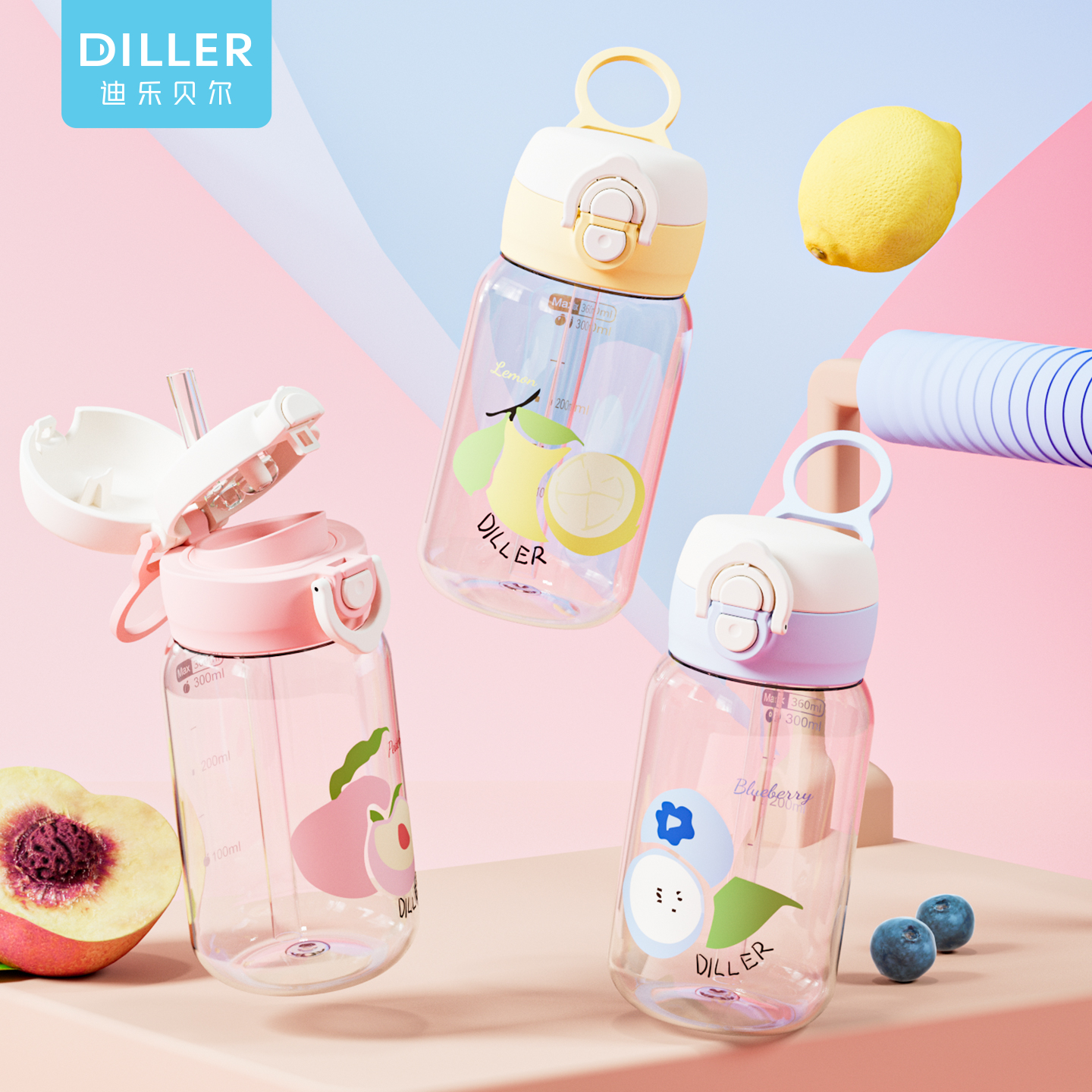
Make the shelf message specific
“Cute, safe and high quality” sounds positive but does not help a shopper compare two bottles. Useful retail communication names the confirmed difference: 380 ml capacity, two drinking modes, adjustable strap, removable straw or vacuum-insulated construction. The product card, box and online listing should use the same model code and specification.
Lead with two or three decision points. Put secondary details lower in the page or on the back of the package. When every available feature is presented at the same level, the main reason to buy disappears. For a more precise material story, link staff training and online content to the Tritan, PPSU and stainless steel comparison.
Build a price ladder customers can understand
A price ladder should follow an observable improvement. Capacity, insulation, material, lid system, carry components and packaging can all support a step-up. A higher price based only on a different print is harder to defend unless the artwork has strong local value.
Before comparing margins, normalise the quotation. Confirm the standard packaging, included accessories, units per carton, colour allocation and destination responsibilities. A lower unit price can create a worse retail result if the product requires new photography, special replacement parts or a carton quantity that does not fit the opening plan.
Adapt the same product to the channel
Kids and family stores
Staff explanation matters. Use a short comparison that identifies intended range role, capacity, drinking mode and cleaning access. Avoid presenting a wall of nearly identical colours before the functional differences are clear.
School and stationery retail
Show the carry method and filled-size context. Capacity, strap, handle and closure deserve more emphasis than a long material paragraph. A back-to-school display should help families compare compact, core and long-day options quickly.
Marketplaces and social commerce
The first image should reveal the shape and lid. The next images should show capacity, drinking mode, included accessories and scale. Variation names must match the physical SKU. The wholesale capacity guide can help keep size language consistent.
Measure evidence, not general enthusiasm
Choose a review period linked to the store or marketplace replenishment cycle. Track units sold by model and colour, stock availability, return reasons, repeated customer questions, retailer reorders and days out of stock. A model that sells out once but cannot be replenished is not yet a stable winner.
Separate visibility from conversion. A bright colour may attract more clicks, while a different capacity produces more completed orders. One retailer may sell a compact bottle well because it serves preschool families; another may need a larger model for older school users. Expansion should follow channel evidence rather than one combined number.
A sell-through brief for Diller Kids
- Name the country, sales channels and target retail price band.
- Define three product roles and the customer need behind each one.
- Shortlist one or two models per role before choosing colours.
- Review filled weight, lid operation, carry comfort and cleaning with samples.
- Confirm model-level specifications, images, packing and current availability.
- Set the opening quantity, review date and reorder trigger.
- Record questions and return reasons as product-content feedback.
Selected confirmed stock models may start from MOQ 50, subject to availability, colour and carton configuration. Share the range roles and channel plan through the Diller Kids partner inquiry so the team can recommend a focused starting set instead of a crowded catalogue selection.
Frequently asked questions
What is the best-selling kids water bottle size?
There is no universal best-selling size. A retailer should match capacity and filled weight to the age group, climate, school routine, carry method and local price band, then measure sell-through by channel.
How many kids bottle models should a retailer test?
A focused trial can begin with three clearly different roles: compact, core school and larger or insulated step-up. Add models only when they create a new reason to buy.
Does a colourful design guarantee sell-through?
No. Colour can attract attention, but sell-through also depends on product role, lid usability, capacity, content accuracy, price, stock availability and replenishment.
What should distributors measure after launch?
Track sales by model and colour, stock-outs, returns, repeated questions, retailer reorders and replenishment speed. Review results by channel rather than combining every outlet.
Built on 16 years of drinkware experience.
Our buyer guides combine product development, material, quality-control and international market experience. Confirm final specifications and destination requirements for each selected SKU.
Build a clearer Diller Kids inquiry.
Share your market, channel, preferred models and estimated quantity. We will confirm suitable products, availability and the next commercial step.