
Kids Water Bottle Product Data and Packaging Checklist
A distributor cannot launch a product confidently when the image says one thing, the carton says another and the listing omits the model. This kids water bottle product data checklist creates one approved source for retail content, packaging, sales teams and after-sales support.
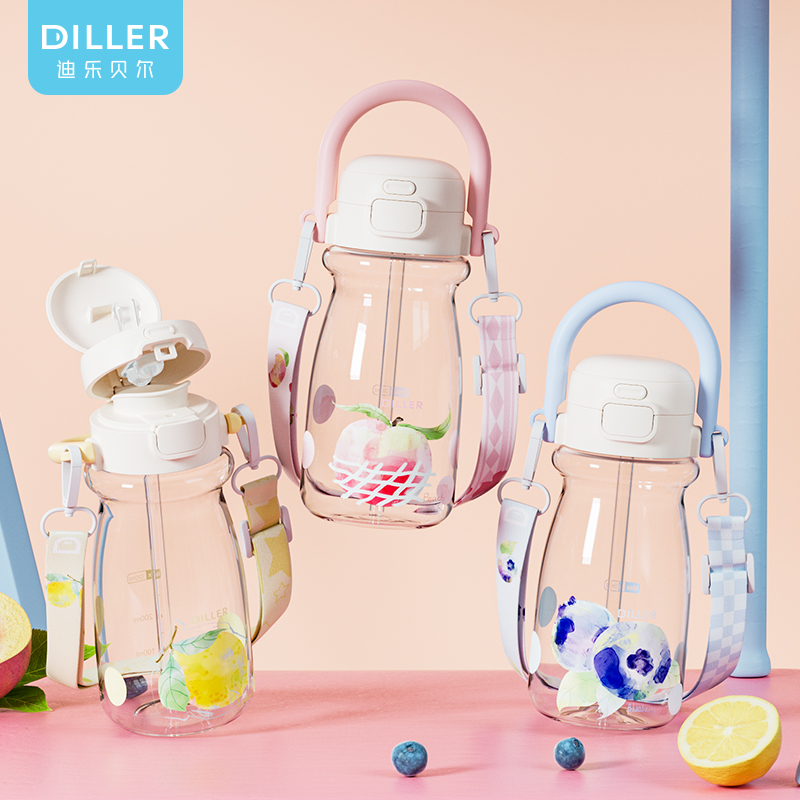
D2623 kids bottle product image prepared for distributor sales channels
Product reference / 01
What should a kids bottle product record contain?
The master record should contain the brand, product name, model, internal SKU, capacity, principal materials, drinking method, colour variant, dimensions, net weight, included components, care instructions, individual pack, carton data, approved claims, image set, document references and revision date. Each field should have an owner and approval status.
This checklist is for brand distributors, importers, retailers and marketplace teams preparing a Diller Kids range. Select models from the wholesale catalogue, then create the record before writing channel-specific titles and descriptions.
Create one source of truth for every model
Use the model code as the stable product key. A marketing title can change by country, but the model should continue to connect the product, sample, quotation, images, carton marks, documents and after-sales conversations. Add a separate SKU only when the business system needs to distinguish a colour, pack or market variant.
Every revision needs a date, editor and reason. Do not overwrite an approved record without keeping the previous version. When a lid, strap, print, package insert or colour changes, decide whether it creates a new variant and which existing assets must be replaced.
Use a field-level product data checklist
| Data group | Required fields | Approval owner |
|---|---|---|
| Identity | Brand, product name, model, SKU and variant | Product and commercial teams |
| Specification | Capacity, materials, dimensions, weight and drinking method | Product and quality teams |
| Contents | Bottle, lids, straws, seals, straps and other included parts | Product team |
| Use and care | Intended use, closure steps, cleaning and restrictions | Product and compliance teams |
| Commercial | Pack configuration, carton quantity, dimensions and weights | Sales and logistics teams |
| Content | Titles, bullets, descriptions, alt text, images and approved claims | Brand and local channel teams |
| Evidence | Specification version, declarations, reports and destination review | Quality and importer teams |
Keep model, SKU and variant roles clear
The model identifies the product design. The SKU usually identifies the commercial variant, which may include colour or pack. A barcode or channel identifier may add another layer. Do not use these fields interchangeably, and do not invent a different model name on every marketplace.
Product titles should describe the item accurately and distinguish meaningful variants. Google Merchant Center’s official product data specification is a useful downstream example: it asks sellers to use unique product identifiers, descriptive titles, accurate descriptions and stable image links. Even when a distributor sells through other channels, the same discipline reduces listing errors.
Build an image set that answers buyer questions
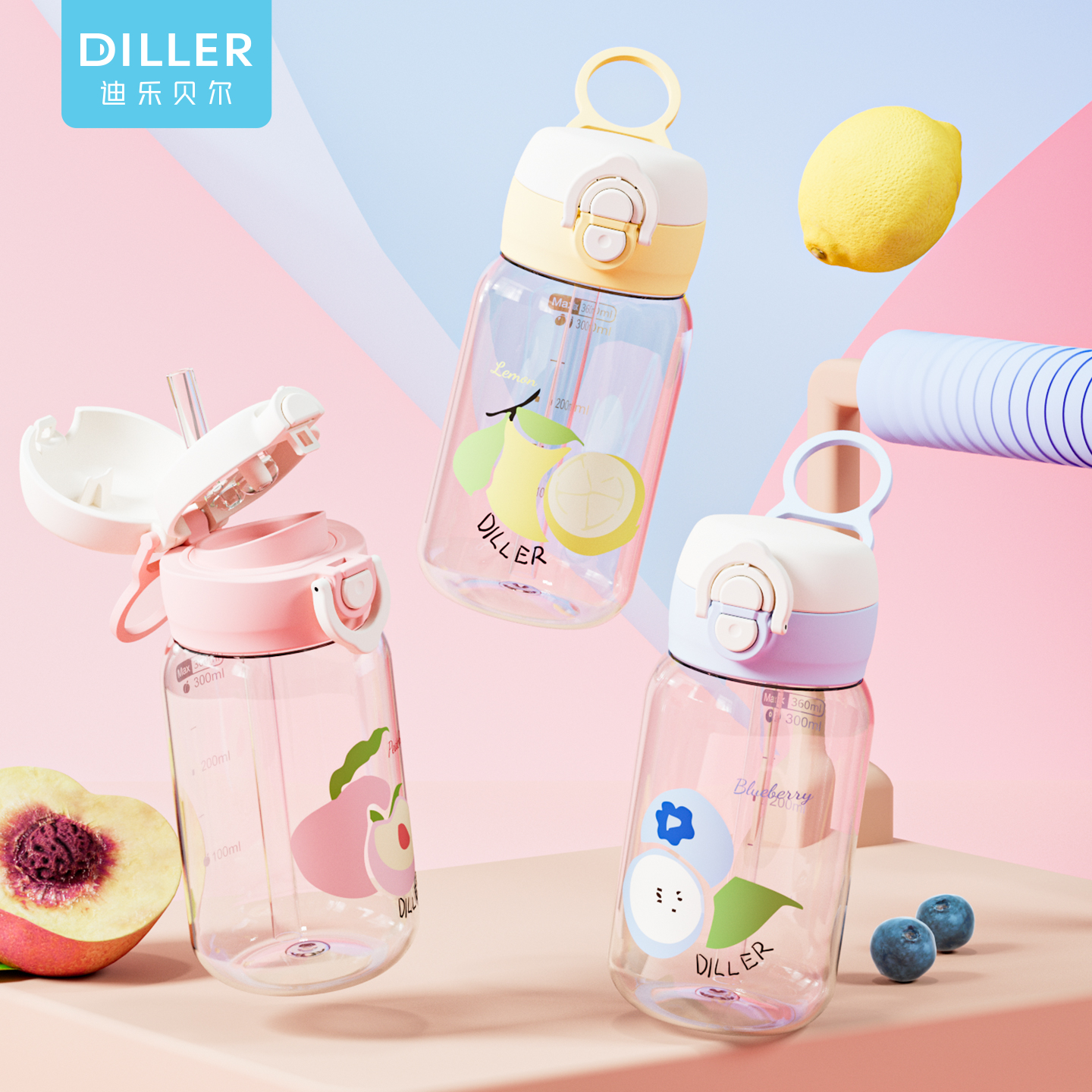
Prepare a clean main image, alternate views, lid-open view, drinking-method view, included-parts image, scale or dimensions image, packaging image and approved lifestyle image where available. File names should contain the model and view rather than a sequence that only one designer understands.
Keep the main image clear and large enough for channel reuse. Google’s product data guidance recommends high-quality images, current availability and product details that match the landing page. The practical lesson for distributors is broader than one platform: images, stock status and specifications should tell the same story.
The online merchandising guide shows how to order these assets for product discovery and comparison without turning the listing into a long catalogue page.
Approve retail packaging against the same record
Packaging artwork should use the approved product name, model, capacity, material wording, included parts, use and care instructions, responsible-party information, origin marking and destination-required content. Barcode ownership, language, importer details and mandatory marks must be confirmed for the project and market.
Create an artwork checklist that records the dieline version, copy version, barcode file, colour reference, print method, proof date and approver. A rendered mockup is useful for layout review, but a final production proof is still needed for colour, legibility, positioning and pack construction.
Control claims and compliance references
Do not turn a material name into a universal product claim. Tie each statement to the exact model, component, intended use and available evidence. Terms about leakage, temperature retention, age suitability, cleaning or food contact should match the approved test or review scope.
Maintain links from the product record to the available specification, declaration and report. The compliance document guide helps buyers distinguish product identity, material evidence and destination requirements.
Include after-sales data before launch
Record the removable parts, replacement-part reference, assembly view, cleaning instructions and customer-service escalation route. This information helps a local partner answer practical questions without guessing. It also reveals whether the launch needs spare lids, straws, seals or straps.
Use the replacement parts and after-sales guide to decide which components should be stocked and how model compatibility will be controlled.
Deliver a controlled distributor asset pack
- Master product data sheet with model and revision date.
- Approved image folder with consistent model-based filenames.
- Channel-ready short title, full title, bullets and description.
- Packaging artwork and proof status.
- Available document index with product and material scope.
- Care, assembly and after-sales information.
- Localisation log showing translated copy and final approver.
The local distributor should return channel links and report any mismatch rather than editing the master specification silently. Diller Kids can support approved product information and brand assets through the distributor programme.
Run a pre-launch consistency check
Place the physical sample, approved product record, main image, listing draft, package proof and carton mark side by side. Check model, capacity, colour, included parts, material wording and care information. Resolve every difference before stock reaches the channel.
Share your country, channels and shortlisted models through the Diller Kids partner inquiry. The team can confirm available model data, imagery and project-specific information for the proposed range.
Frequently asked questions
What is the difference between a model number and an SKU?
A model number identifies the product design, while an SKU usually identifies a sellable commercial variant such as a colour or pack. Keep both connected in one master product record.
Who should approve translated product information?
The local importer or distributor should arrange and approve market-language content with appropriate compliance review. The approved translation and version should be recorded before listings or packaging go live.
How many product images should a distributor receive?
There is no universal count. The set should show the main view, useful alternate angles, lid or drinking operation, included parts, size information and packaging clearly enough for the selected channel.
Should product data be copied directly between similar models?
No. Similar models may differ in capacity, lid, materials, components, care or packing. Duplicate a template if useful, then verify every field against the exact model and approved sample.
Sources and further reading
Built on 16 years of drinkware experience.
Our buyer guides combine product development, material, quality-control and international market experience. Confirm final specifications and destination requirements for each selected SKU.
Build a clearer Diller Kids inquiry.
Share your market, channel, preferred models and estimated quantity. We will confirm suitable products, availability and the next commercial step.