
How to Choose Kids Water Bottles by Age Group
Choose a kids water bottle by what the intended user can comfortably carry, open, drink from and clean. Age is a starting point, not an approval: compare capacity, filled weight, grip and lid operation on the exact model. Infant and toddler products need separate review rather than a generic school-bottle recommendation.
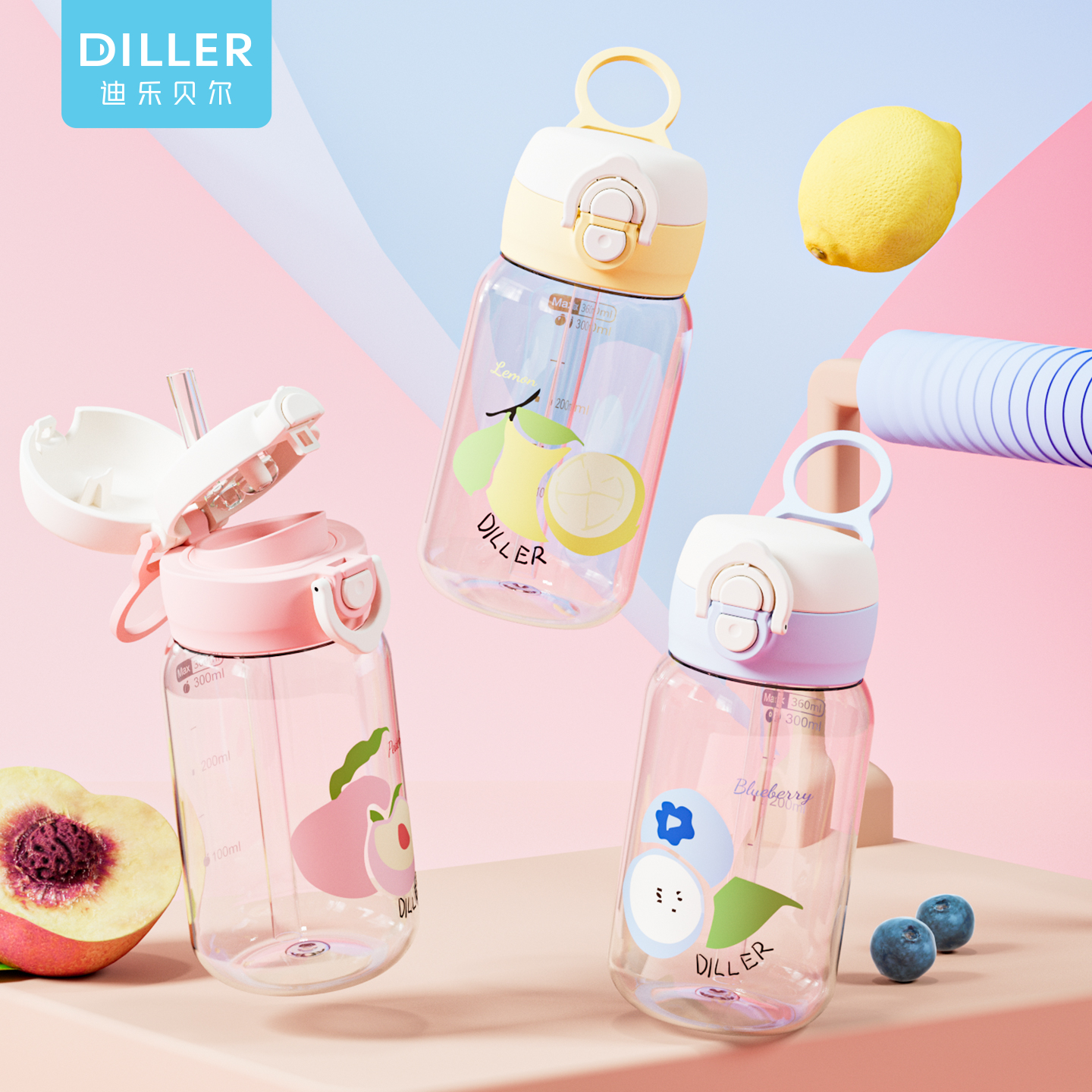
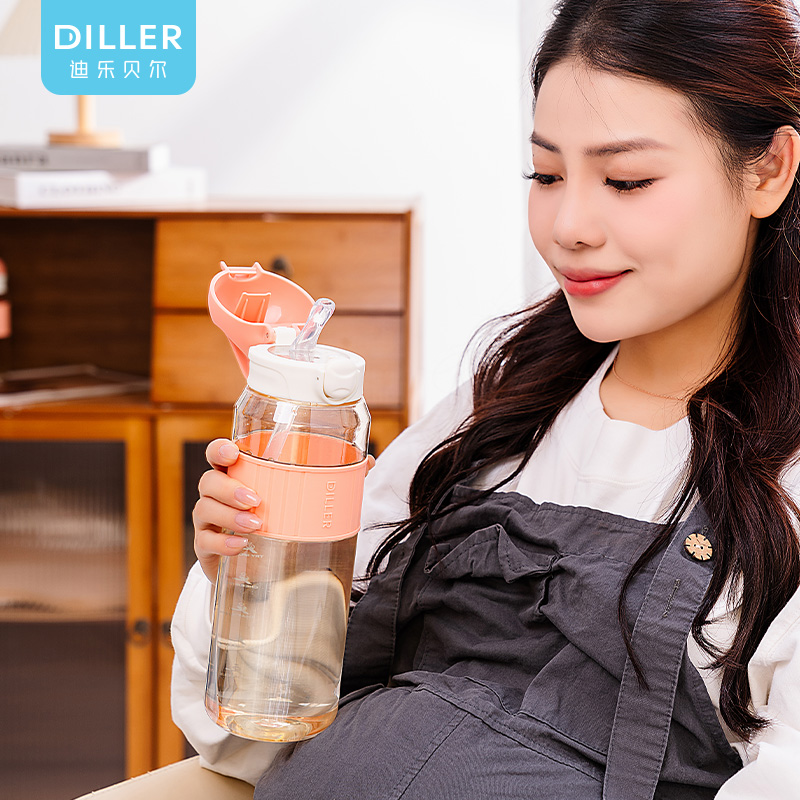
Compact Dual-drink Tritan Bottle (D2624) for wholesale kids bottle ranges
Product reference / 01
A practical age-group planning matrix
The table below is a wholesale assortment framework, not a universal product-suitability statement. Exact age labels must be supported by product design, testing, instructions and destination rules. Buyers should review samples with the intended users and confirm all claims before packaging is approved.
| Planning band | Range priorities | Typical wholesale role |
|---|---|---|
| 0-2 years | Specialist infant or toddler review, controlled flow, hygiene, component security and caregiver operation | Separate programme; do not position a generic school bottle by assumption |
| 3-5 years | Compact body, manageable grip, simple operation, protected drinking area and easy cleaning | Preschool and first independent bottle |
| 6-8 years | School-day capacity, reliable closure, loop or strap and clear care instructions | Core primary-school volume range |
| 9-12 years | Larger capacity, stronger carry options, less juvenile styling and sport compatibility | Older school and activity range |
| 13-18 years and family crossover | Higher capacity, mature colours, direct-drink or dual modes and all-day carry | Teen, sport, travel and shared family channels |
Use this matrix to define what each shelf position needs to accomplish. Then compare exact capacities in the kids water bottle capacity guide and shortlist models from the Diller Kids wholesale catalogue.
Why age positioning needs evidence
Age wording affects more than marketing. In the United States, a product designed or intended primarily for children 12 or younger can be classified as a children’s product. The CPSC looks at manufacturer statements, packaging, promotion, consumer recognition and staff age-determination guidance. Its official children’s product guidance explains the classification factors.
The CPSC Age Determination Guidelines connect product characteristics with children’s abilities and behaviour. A water bottle is not automatically a toy, but the underlying lesson remains useful: age grading should reflect the actual product and how it is presented. Importers should obtain destination-specific advice rather than copy an age range from another market.
Treat the under-three segment separately
Products intended for children under three need specialist attention to component security, foreseeable use, cleaning, caregiver operation and any applicable small-parts or child-care requirements. A straw, valve, seal, decorative part or removable accessory that works in a school bottle cannot simply be assumed suitable for an infant or toddler product.
For this segment, begin with a product specifically developed and reviewed for the intended use. Confirm the classification, age statement, warnings, test plan and instructions before treating it as part of the commercial range. Do not use a broad “0-18 years” claim across unrelated products.
Balance capacity with filled weight
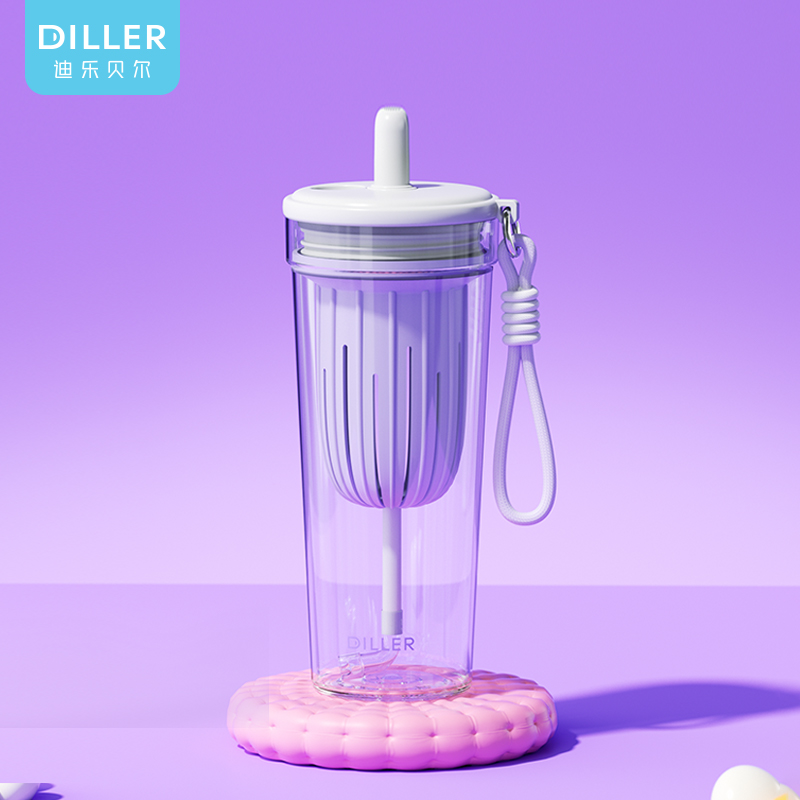
A larger bottle reduces refill frequency but becomes heavier when filled. For younger users, grip diameter, handle position and the distance between classroom, playground and home can matter as much as the stated millilitres. For older users in warm climates or long schedules, a larger format may create a clearer benefit.
Evaluate the filled bottle, not only the empty sample. Ask testers to lift it, open it, close it, drink from it and return it to a bag. Record any difficulty with weight, reach, balance or the drinking angle. This converts an age-band assumption into usable product evidence.
Three different model roles to review
These current catalogue examples illustrate functional differences, not automatic age assignments. The same capacity can feel different when body shape, empty weight, lid and carry method change.
| Model | Capacity | Listed materials | Sample-review focus |
|---|---|---|---|
| D2624 | 380 ml | Tritan / PP / Silicone | Compact transparent format; compare grip and both drinking modes. |
| MLH9091 | 350 ml | 316 Stainless Steel / PP / Silicone | Compact insulated format; compare lid operation and carry method. |
| D2607 | 810 ml | PPSU / PP / Silicone | Larger carry format; assess filled weight, strap and bag fit. |
Water weight is only part of the load. At ordinary room temperature, 350 ml of water weighs approximately 350 g, 380 ml about 380 g and 810 ml about 810 g. Add the empty bottle, lid and accessories to estimate the carried load, then weigh the filled sample. This is a practical approximation, not a measured finished-product weight.
Record grip comfort, filled weight, opening force, drinking angle, bag fit and cleaning access for each sample. Do not infer suitability from millilitres alone, and do not extend any model to children under three without the appropriate design and intended-use review.
Match the drinking mode to the user and channel
Straw lids can support upright sipping and a familiar school proposition. Direct-drink openings can be simpler for older users who prefer faster flow. Dual-lid products create flexibility but also require buyers to explain both modes and confirm cleaning access. The drinking-mode buyer guide provides a deeper comparison.
Test opening force, button protection, cap retention, flow and closure feedback. A lid should make it easy to recognise when the bottle is closed. For retail and e-commerce, show the drinking mode clearly in the first images instead of relying on a long feature list.
Make cleaning part of age-based selection
Younger-user products are often managed by caregivers, so removable components, seal access and reassembly guidance affect satisfaction. Older children and teenagers may be expected to rinse or refill independently, making a straightforward lid and visible care instructions more important.
Ask how each component is removed, cleaned, dried and replaced. Confirm whether spare straws or seals are available and whether colour variants use the same component set. A product that is easy to sell but difficult to maintain can create avoidable returns.
Build a range with distinct age roles
A focused distributor range can begin with one compact model, one core school model and one larger or insulated option. Avoid filling every age band with several nearly identical bottles. Each additional SKU should add a clear difference in capacity, carry style, material, drinking mode or price position.
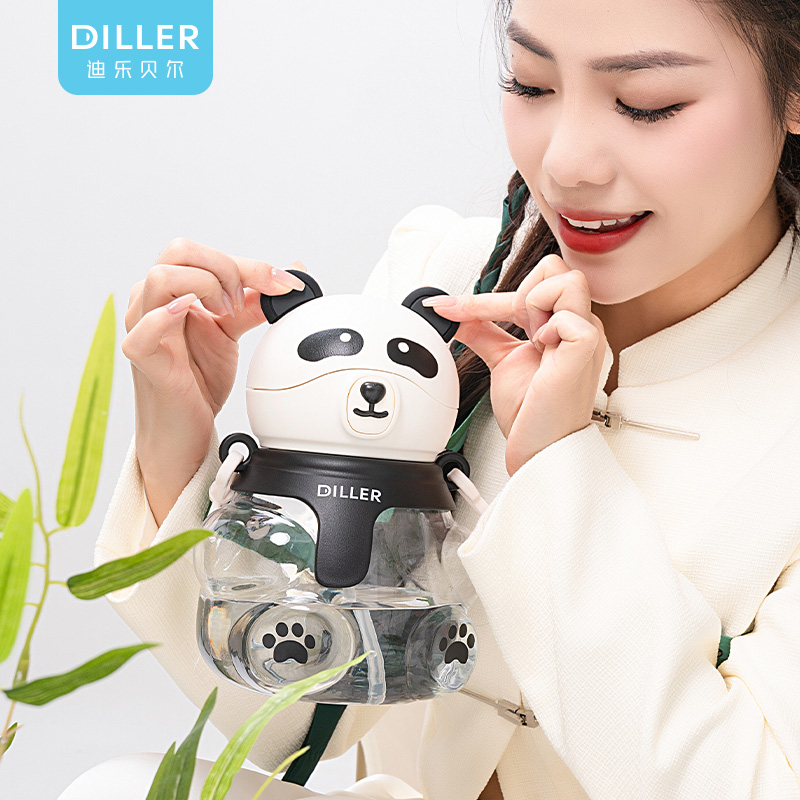
Use colour and character styling after the functional roles are clear. For a trial launch, select a small number of models and measure sell-through by age band, channel and price point. Selected in-stock Diller Kids models can start from 50 pieces, subject to current availability, colours and market confirmation.
Align packaging and product content
The product page, box, marketplace listing and sales sheet should use the same model, capacity, materials, care instructions and approved age positioning. Photography should show scale, lid operation, carry method and component access. Avoid showing a very young child with a product that has not been reviewed for that age.
Keep functional statements specific and testable. “500 ml capacity with adjustable strap” is more useful than “perfect for every child.” Claims about leak resistance, temperature retention, materials or safety should be tied to the exact model and available evidence. Review the kids bottle compliance document checklist before approving final artwork.
What to include in an age-based buyer brief
- Destination country and sales channel.
- Target age band and the reason it fits the channel.
- Preferred capacity range, material and filled-weight expectation.
- Drinking mode, carry method and cleaning priorities.
- Required age claims, warnings, languages and supporting evidence.
- Target price position, trial quantity and launch date.
- Models to compare in samples before the range is approved.
Share this brief through the Diller Kids product inquiry. The team can recommend relevant models and confirm availability, while the importer retains responsibility for approving destination-specific age, label and compliance requirements.
Frequently asked questions
What bottle size is best for a preschool range?
There is no universal size. Buyers should balance capacity with filled weight, grip, opening force, carry distance and cleaning, then confirm exact product suitability and age labelling for the destination.
Can one kids bottle be marketed for ages 0 to 18?
A broad 0-18 claim is usually too imprecise for unrelated products. Infant and toddler use needs specialist review, while older-user and family-crossover products can have different design, classification and labelling considerations.
Are straw bottles only for younger children?
No. Straw lids can serve several age groups. Selection should follow user preference, flow, cleaning, closure design and channel positioning rather than age alone.
How many age-based models should a distributor launch?
A focused trial can begin with a compact model, a core school model and a larger or insulated option. Add SKUs only when they create a distinct functional, price or channel role.
Sources and further reading
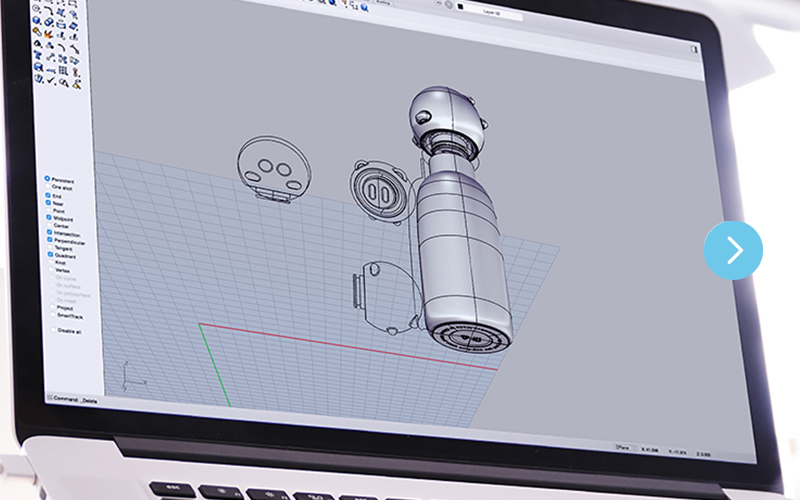
Built on 16 years of drinkware experience.
Our buyer guides combine product development, material, quality-control and international market experience. Confirm final specifications and destination requirements for each selected SKU.
Build a clearer Diller Kids inquiry.
Share your market, channel, preferred models and estimated quantity. We will confirm suitable products, availability and the next commercial step.