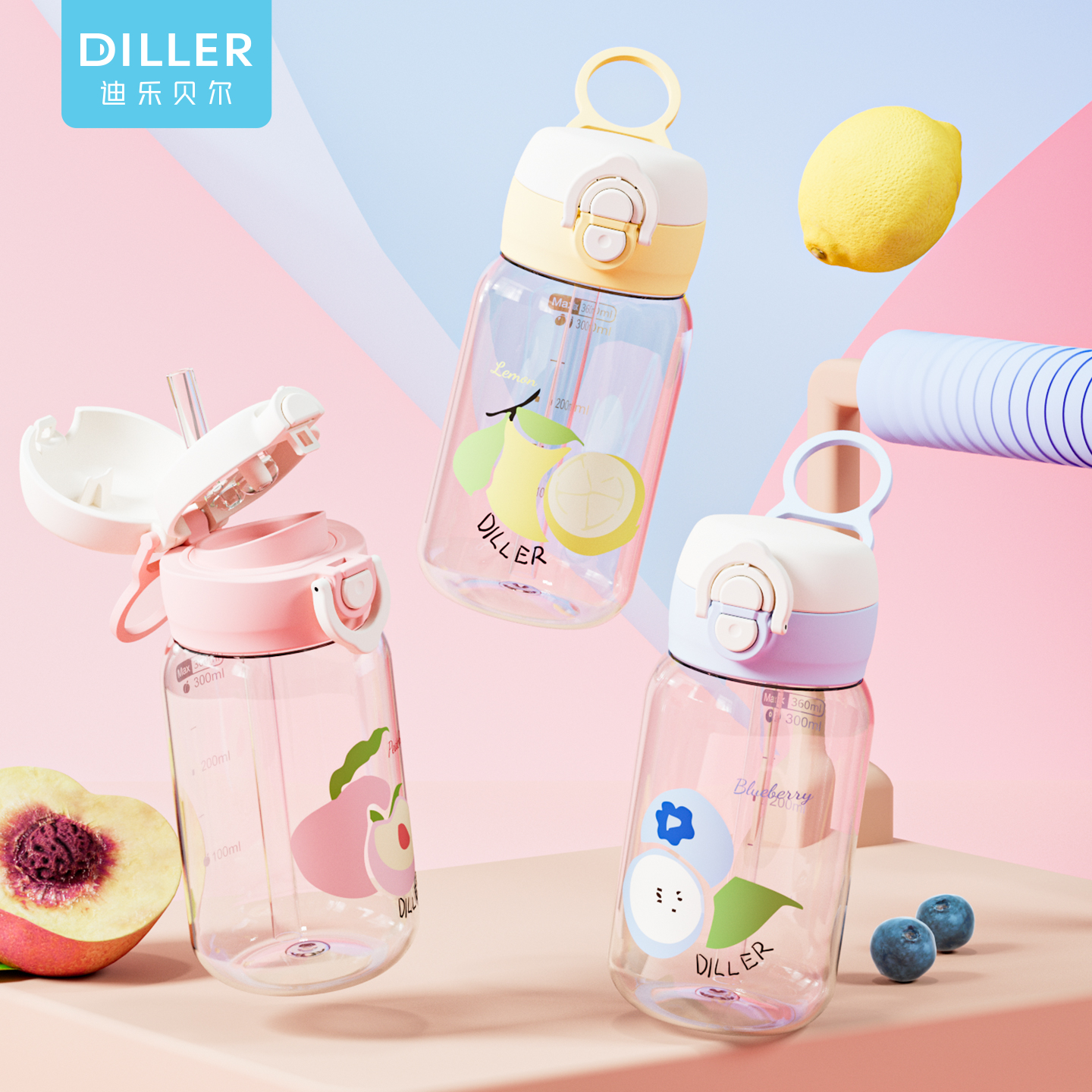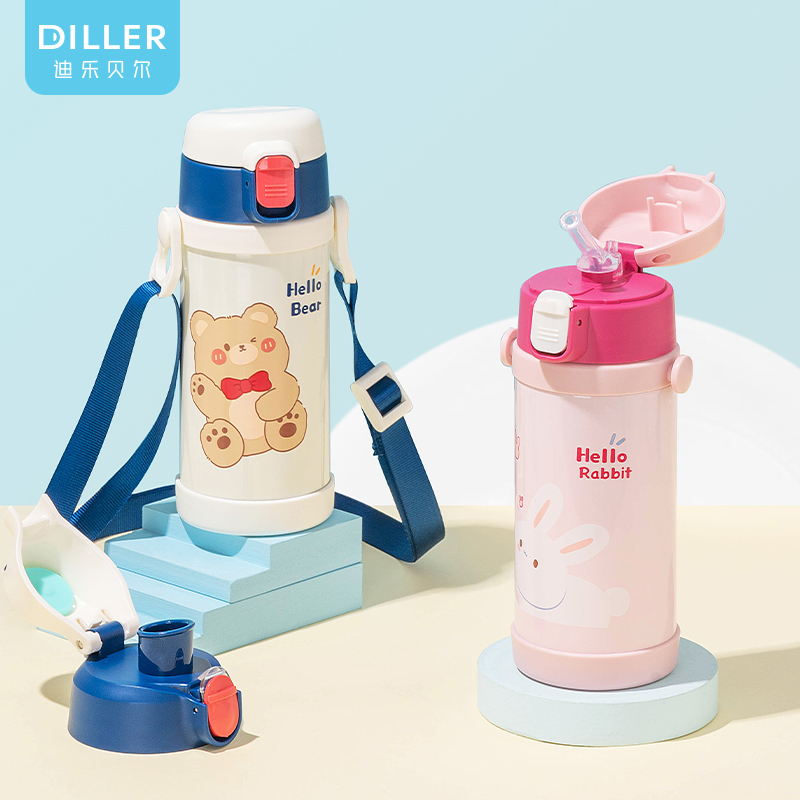

Leakproof Kids Water Bottles: A Wholesale Test Checklist
For wholesale buyers, “leakproof” should be treated as a testable product claim, not a decorative phrase. The closure, silicone seal, straw, lock and user assembly all affect performance. A useful evaluation records the liquid, fill level, orientation, duration, movement and sample condition.
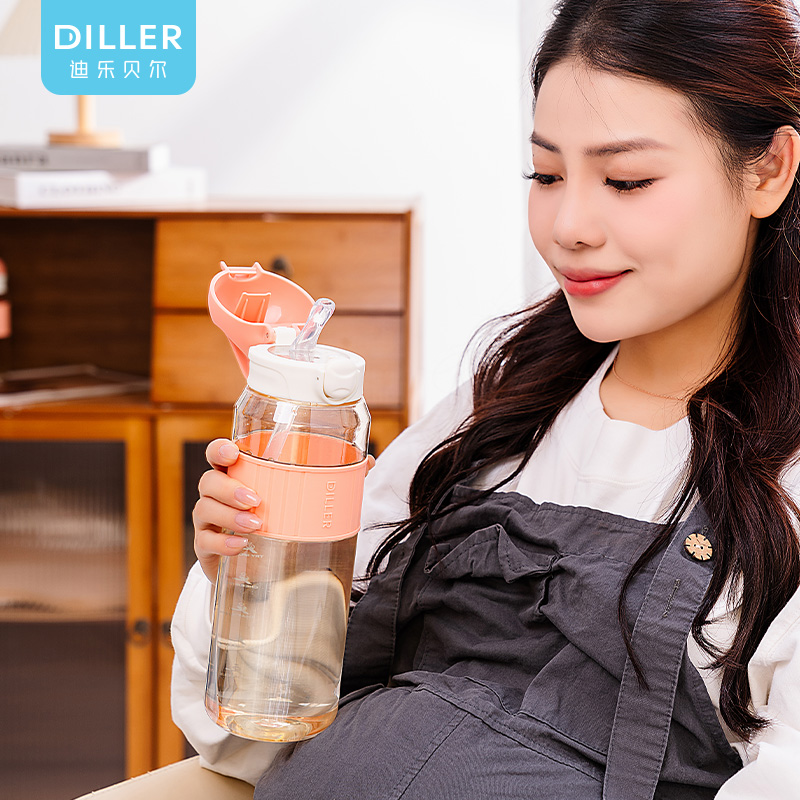
Easy-clean PPSU Straw Bottle (D2404) with removable drinking components
Product reference / 01
What does leakproof mean in a wholesale purchase?
There is no useful B2B answer without test conditions. A bottle may resist leakage while standing upside down yet release liquid after shaking, pressure change or incorrect seal assembly. Buyers should define what the finished product must withstand in its intended use and how that result will be checked before shipment.
For child-focused drinkware, the test should cover both normal closure performance and realistic handling. The objective is not to promise that misuse can never create a leak. It is to verify that the approved model performs consistently when filled, closed, locked, carried and cleaned according to its instructions.
Inspect the complete closure system
| Component | What to inspect | Common purchase question |
|---|---|---|
| Main seal or gasket | Correct position, compression, surface condition and removability | Can the seal be removed and installed without twisting? |
| Straw and spout | Connection, venting, cap fit and cleaning access | Does the straw remain seated after repeated use? |
| Thread or hinge | Alignment, closing force and repeated opening | Can a child close the lid completely without cross-threading? |
| Lock | Positive engagement and accidental-release resistance | Is the locked state visually and physically clear? |
| Carry parts | Whether straps or handles load the lid during movement | Does carrying change closure alignment? |
The D2404 uses a PPSU body with an easy-clean straw system. Its value for buyers is not a single component but the relationship between the lid, straw, seals and cleaning process. Review the D2404 product page before requesting a model-specific sample.
Use a repeatable sample test sequence
- Visual assembly check: confirm that the seal, straw and closure match the approved sample.
- Static inversion: fill to the agreed level, close as instructed and hold upside down for a defined period.
- Horizontal rest: place the filled bottle on its side on absorbent material and record any moisture.
- Movement simulation: carry or shake the closed bottle using a defined motion and duration.
- Open-close cycling: repeat closure use, then perform the static checks again.
- Cleaning and reassembly: remove approved components, clean, reassemble and repeat the test.
Record the water temperature, fill level, duration and number of cycles. These details make results comparable across samples and batches. If the intended use includes warm liquids, the buyer and supplier must agree whether that use is permitted and how pressure, temperature and scalding risks are addressed.
Match testing to the intended use
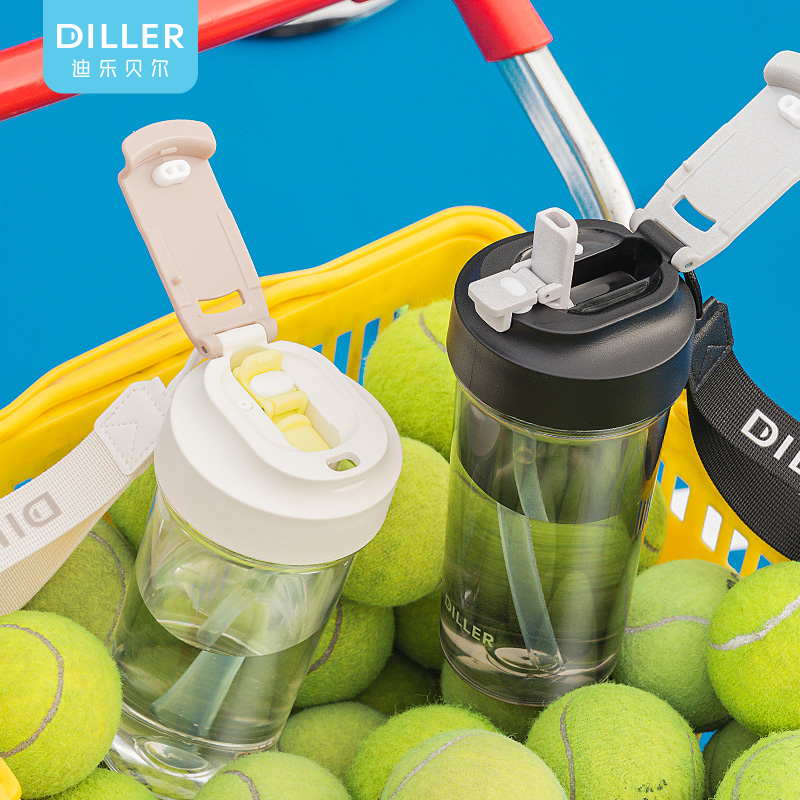
A cold-water school bottle, a warm-drink PPSU bottle and an insulated bottle do not share identical conditions of use. The U.S. Food and Drug Administration distinguishes food-contact use by food type and conditions such as room-temperature filling, refrigeration and hot filling. The official FDA food types and conditions of use tables show why material and use statements should be specific rather than generic.
Destination rules, buyer protocols and model specifications determine the final test programme. Confirm whether the product is intended only for cold drinks, whether carbonated beverages are excluded and which cleaning methods are approved. Product content should state these limits clearly.
Turn the sample method into an inspection requirement
An approved sample is useful only when the purchase order and inspection file identify it. Record the model, colour, bill of materials, closure configuration, included accessories, packing method and accepted test method. Define the sample size and acceptance decision with the inspection provider before production is complete.
If a result fails, separate assembly errors from component or process defects. Check seal installation, lid alignment, thread condition, moulding surfaces and part consistency. Document the corrective action and repeat the agreed test on replacement samples. The ASEAN GMP guideline supports documented specifications, quality control and traceability for food-contact materials.
Use accurate claims in retail content
Avoid universal phrases such as “never leaks” when the evidence covers only defined conditions. A more credible product brief explains the closure type, lock, intended drinks, care method and tested use. This improves customer expectations and gives retailers a better response when buyers ask how to close or clean the bottle.
Keep customer complaints connected to model and batch records. Useful feedback includes where moisture appeared, how the bottle was filled, whether the seal was removed, how the lid was closed and whether a replacement component solved the issue. This information supports product improvement more effectively than a general leak complaint.
Information to request before ordering
- Exploded view or component list for the lid, seal, straw and vent.
- Approved intended use, drink temperature and cleaning instructions.
- Sample test method, result record and production inspection plan.
- Replacement-part availability and seal reassembly guidance.
- Model-specific material declarations and destination documentation.
- Carton packing that protects the closure from deformation during transport.
Share the destination, selected model and required performance checks through the Diller Kids partner inquiry. The team can confirm available samples and the appropriate next step.
Buyers can also use the quality and safety overview and buyer resources hub to prepare model-specific questions before requesting a quotation.
Frequently asked questions
Can any kids bottle be guaranteed never to leak?
A responsible product claim should be tied to defined conditions. Closure performance depends on correct assembly, fill level, liquid, orientation, movement, temperature and care. Buyers should agree a repeatable test method.
Should leak testing be repeated after cleaning?
Yes. Removable seals, straws and vents can be reassembled incorrectly. Testing after an approved cleaning and reassembly cycle helps evaluate both design clarity and normal user handling.
What should be recorded during an inspection?
Record the model, batch, sample size, liquid temperature, fill level, orientation, duration, movement or cycling method, result and any corrective action.
Sources and further reading
Built on 16 years of drinkware experience.
Our buyer guides combine product development, material, quality-control and international market experience. Confirm final specifications and destination requirements for each selected SKU.
Build a clearer Diller Kids inquiry.
Share your market, channel, preferred models and estimated quantity. We will confirm suitable products, availability and the next commercial step.