
How to Build a Back-to-School Kids Bottle Range
A strong back-to-school kids water bottle range gives each model a clear job. Instead of launching many similar designs, distributors can combine a compact entry bottle, a core school model and a larger carry option, then align colours, product content and replenishment timing with the sales channel.
Dual-drink Tritan School Bottle (D2407) for back-to-school retail ranges
Product reference / 01
What should a back-to-school bottle range include?
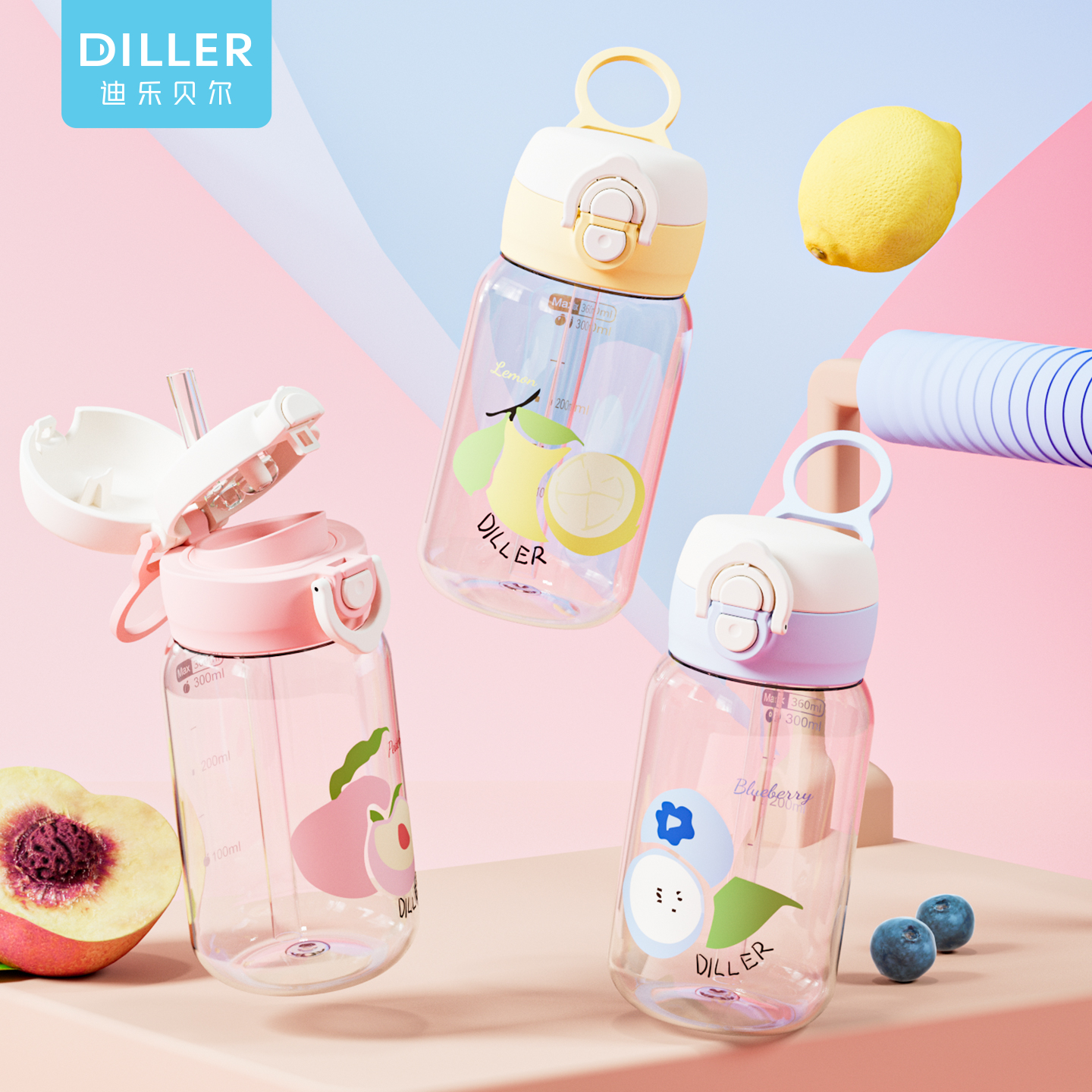
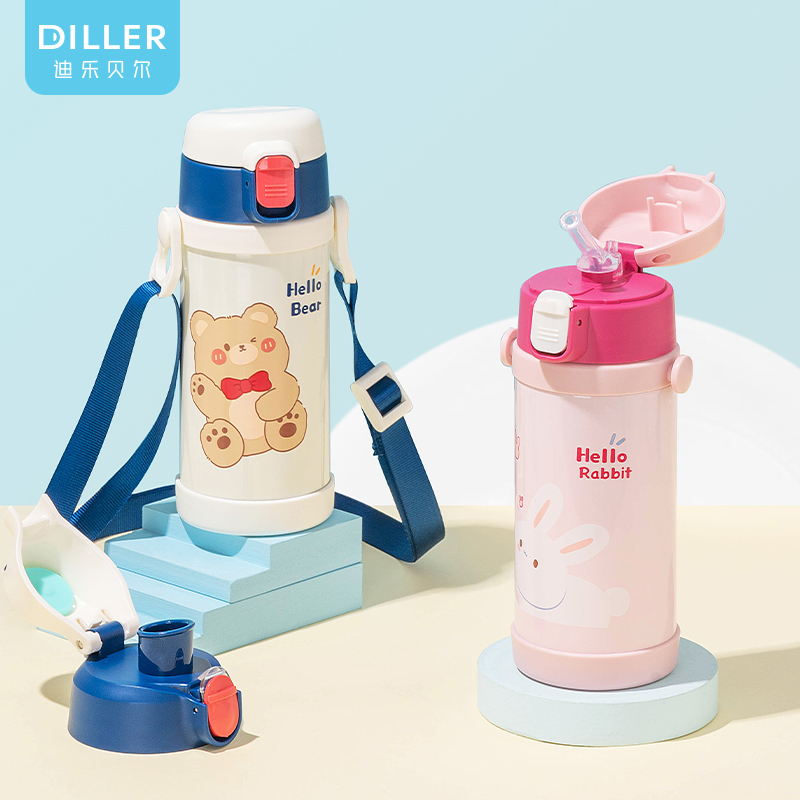
For most distributors, a focused opening range needs three roles: a compact bottle for younger users, a mainstream school bottle for everyday use and a larger handled or strapped model for longer days. Each role should differ in capacity, carry style or drinking system. This makes the assortment easier for retailers to explain and gives families a reason to move between price points.
Diller Kids offers branded Tritan, PPSU and insulated formats across these roles. Buyers can start with the kids water bottle catalogue, shortlist models by channel and then request current stock, colour and packing information.
Use a three-role assortment architecture
| Range role | Useful direction | Retail purpose |
|---|---|---|
| Compact entry | Approximately 350-450 ml, simple loop or small handle | Younger users, compact bags and accessible opening price |
| Core school | Approximately 500-650 ml, straw or dual-drink lid | Mainstream daily use and the highest expected sales volume |
| Long-day carry | Approximately 700-900 ml, handle and adjustable strap | Older users, warm climates, sport, travel and longer school schedules |
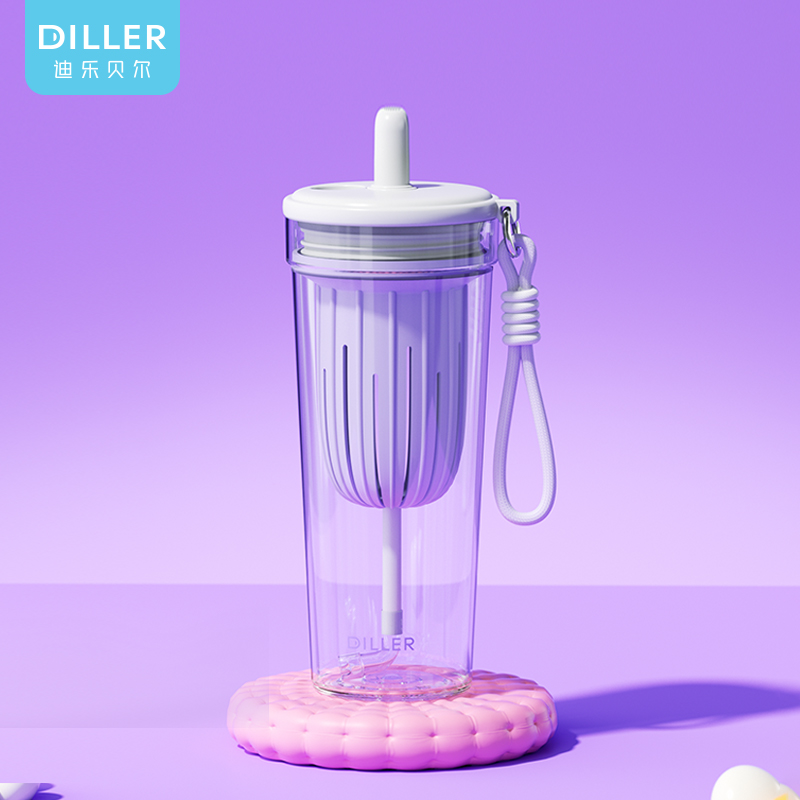
The D2407 is a 600 ml Tritan school bottle with two drinking modes and a shoulder strap, making it suitable for the centre of a back-to-school range. A compact model can sit below it, while a larger PPSU or Tritan jug can create a clear step up in capacity.
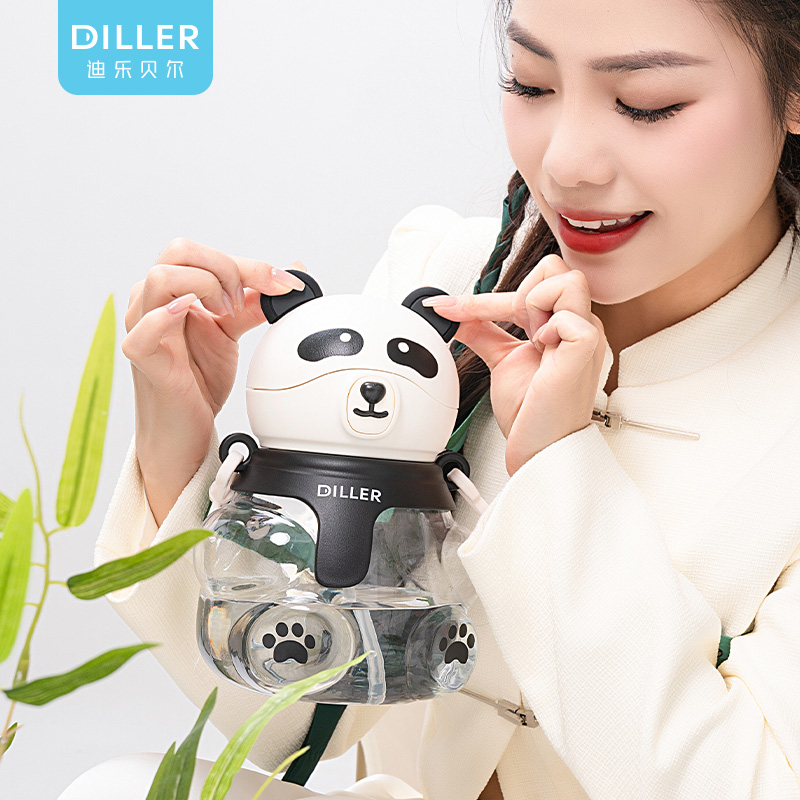
Check the complete school-day experience
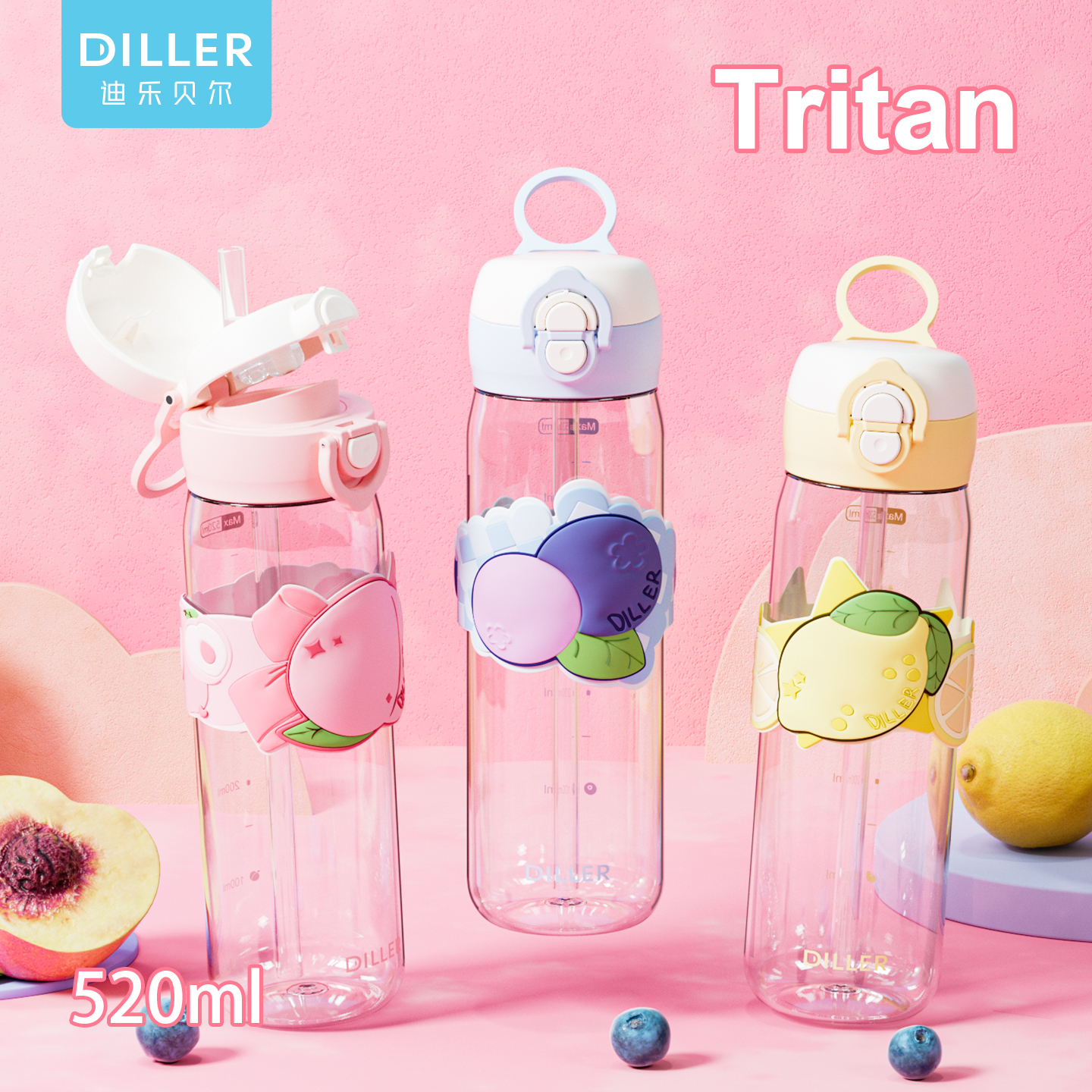
Capacity alone does not determine whether a bottle fits school use. Review the filled weight, bottle diameter, lid operation, lock, straw, carrying method and cleaning access. A model may look compact in a photograph but feel too wide for a younger child or a common backpack pocket. A larger bottle may need a stronger handle or strap to remain comfortable when full.
Ask how each drinking component is removed and reassembled. Care instructions should match the finished SKU, including its printed decoration, silicone parts and lid construction. Avoid assuming that a broad material statement automatically confirms dishwasher, sterilisation or hot-liquid suitability.
Adapt the range to the retail channel
School and stationery stores
Use clear capacity labels and show the carrying method. Staff should be able to explain the difference between compact, core and long-day models in one short comparison.
Baby and family stores
Emphasise easy handling, cleaning access, age positioning and model-specific material information. A smaller opening range often works better than a wall of near-identical colours.
Marketplaces and social commerce
Lead with a visible functional difference such as a dual-drink lid, removable strap or protective grip. Include dimensions, capacity and included accessories in the first product-information section to reduce repetitive customer questions.
Plan colour and price ladders together
Colour selection should support the range rather than create uncontrolled inventory. Choose a manageable mix for each hero model and record unit allocation by colour before ordering. If the same colour family appears across several capacities, use function and price to keep the product roles distinct.
A practical price ladder can place a compact Tritan bottle at entry level, a feature-rich school bottle in the core tier and an insulated or larger carry model in the premium tier. Compare landed cost, packing volume and marketplace fees as well as the unit quotation. A visually attractive bottle can still be difficult to replenish if carton efficiency or colour allocation is unclear.
Work backwards from the retail launch date
Set the in-store or online launch date first. Then allow time for model confirmation, samples, content preparation, packaging or label approval, inspection, transport and local receiving. In-stock Diller Kids branded models can support faster tests, while custom colours, logos, packaging or structural development require a separate timeline and quantity discussion.
Before the stock arrives, prepare approved images, model specifications, care guidance, price tiers and retailer training notes. Keep one approved reference sample for incoming inspection. The ASEAN GMP Guideline for Food Contact Materials also highlights documented specifications, quality control and traceability as part of a controlled manufacturing system.
Back-to-school buyer checklist
- Define the destination, channel and customer age groups.
- Select one compact, one core and one long-day product role.
- Confirm capacity, dimensions, filled weight and carrying method.
- Agree colour allocation, packing quantity and replenishment options.
- Prepare model-specific materials, care, labelling and compliance requests.
- Set the launch date and work backwards through approval and delivery milestones.
Food-contact obligations differ by destination. The European Commission explains that food-contact materials must meet the applicable framework, good manufacturing practice and any material-specific rules when placed on the EU market. See the official EU food-contact materials overview and confirm the exact destination requirements with the importer.
Before confirming the seasonal range, review the Diller Kids quality and safety process and distributor cooperation options. These pages help connect product selection with the documents and commercial route required for the project.
Frequently asked questions
How many models should a first back-to-school range include?
A focused range can begin with three clear product roles rather than many overlapping SKUs: compact entry, core school and long-day carry. The final count depends on channel space, budget and colour allocation.
When should a distributor place a back-to-school order?
Work backwards from the required retail date and include time for selection, samples, content, packaging or label approval, inspection, transport and receiving. Custom projects need more time than selected in-stock branded models.
Can Diller Kids support a small seasonal trial?
Selected in-stock models can start from 50 pieces, subject to availability, colours and market confirmation. Custom branding, packaging or new production may require a different quantity.
Sources and further reading
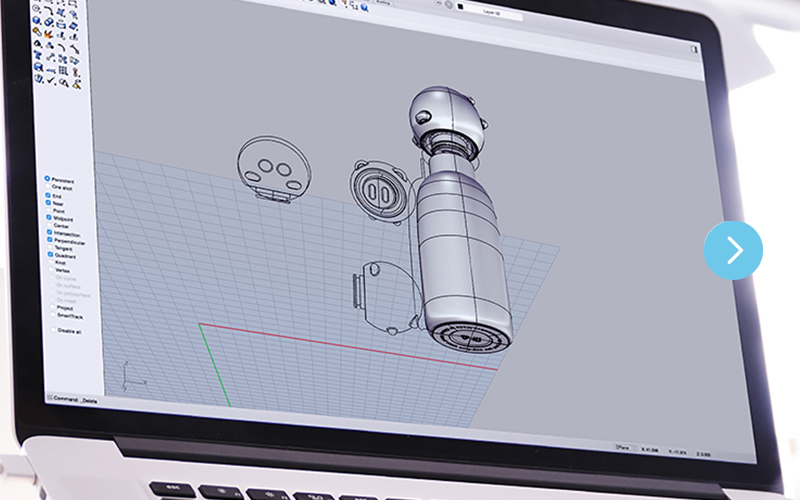
Built on 16 years of drinkware experience.
Our buyer guides combine product development, material, quality-control and international market experience. Confirm final specifications and destination requirements for each selected SKU.
Build a clearer Diller Kids inquiry.
Share your market, channel, preferred models and estimated quantity. We will confirm suitable products, availability and the next commercial step.