
Private Label Kids Water Bottles: An OEM/ODM Guide
Private label kids water bottles can begin with an existing model and custom branding, while a full ODM project may change structure, tooling and components. The right route depends on differentiation, budget, quantity, timing and the destination-market evidence required for the finished product.
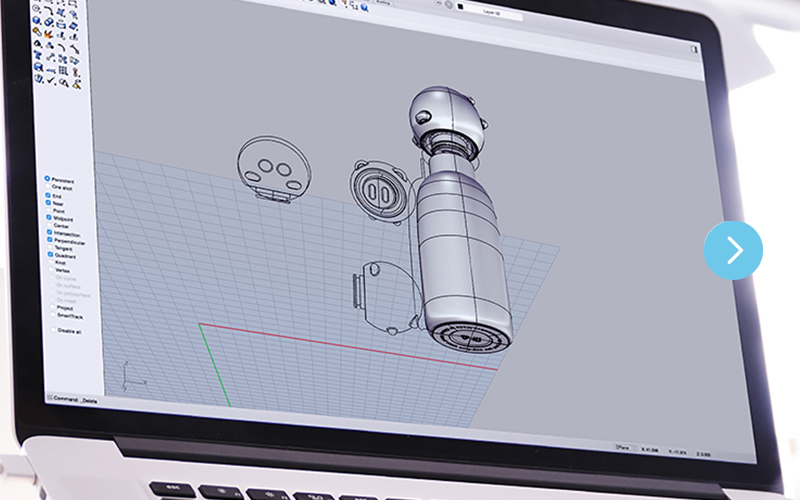
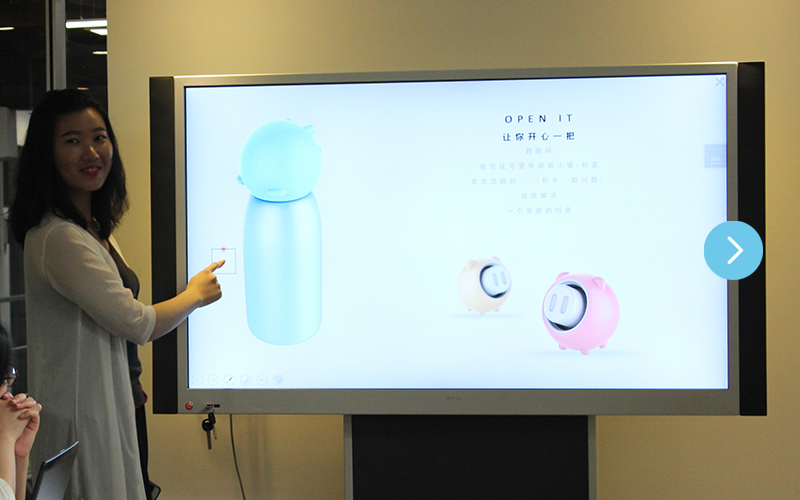
Diller bottle structure and 3D product development process
Product reference / 01
What is the difference between private label, OEM and ODM?
Private label usually starts with an existing bottle and adds approved branding, colour or packaging. OEM can involve a more detailed customer specification while retaining an established product platform. ODM adds design and engineering work that may change the bottle structure, components or tooling. Suppliers use these terms differently, so the purchase file should describe the actual scope rather than rely on the label alone.
Diller Kids prioritises branded distribution, but the team also supports qualified kids bottle OEM and ODM projects. Buyers should state whether they want Diller Kids branded products, a private-label adaptation or a newly developed design.
Select the right development route
| Route | Typical changes | Best fit |
|---|---|---|
| Diller Kids branded stock | Existing model, brand, standard colours and packing | Faster market test and brand distribution |
| Private label on an existing model | Logo, selected colour direction and retail packaging | Brands that need differentiation without new structure |
| OEM specification | Defined materials, decoration, components or packing requirements | Buyers with a controlled technical brief |
| ODM development | Concept, structure, component design, tooling and validation | Projects requiring distinctive function or industrial design |
The simplest route is often the best first step. An existing bottle with controlled logo and packaging can test the market before the buyer invests in a new mould or complex component set.
Prepare a project brief before asking for price
Define the target user, destination, sales channel, capacity, material, drinking style, carry method and price position. Add the required logo method, colour references, packaging type, estimated quantity and delivery target. List mandatory documents and tests separately from optional preferences.
Include reference products only to explain features, not to request an unreviewed copy. Mark which elements are essential and where the supplier can propose alternatives. This gives the design team room to solve cost, manufacturability and user-experience constraints.
Use controlled design and approval stages
- Scope confirmation: agree the product route, brief and responsibility for files.
- Concept review: compare forms, functions, component choices and cost direction.
- Engineering review: confirm dimensions, assembly, materials and manufacturing path.
- Prototype or sample: inspect operation, appearance, cleaning and packing.
- Artwork approval: lock logo size, position, colour and packaging files.
- Pre-production approval: confirm the final specification and inspection reference.
Separate visible customisation from technical change
Logo printing, laser marking, colour matching and packaging affect brand presentation. Changing a lid, seal, straw, handle or bottle geometry can affect function, tooling, testing and lead time. Buyers should identify which changes are cosmetic and which alter the finished product specification.
Ask for an artwork proof and a physical sample where colour or decoration is important. Screen colours are not a reliable substitute for an approved production reference. Record tolerances and acceptable appearance standards before mass production.
Plan safety and documentation around the final SKU
Custom decoration and component changes can affect the scope of the finished article. The European Commission explains that food-contact materials must comply with the general framework, good manufacturing practice and applicable material-specific measures. Review the official EU food-contact materials overview.
For each destination, confirm material declarations, intended-use conditions, testing, labelling, traceability and importer responsibilities with qualified local advisers. Do not assume that a report for the base model automatically covers a changed coating, printed area, lid or packaging claim.
Understand what drives MOQ and project cost
Selected in-stock Diller Kids models may start from 50 pieces, but private-label and custom projects follow different quantity conditions. MOQ can be driven by colour production, printing setup, packaging, component supply, tooling and testing. Ask for a cost breakdown by stage when the project includes moulds, prototypes or special materials.
Compare total project cost rather than unit price alone. Include sample rounds, artwork, tooling, testing, inspection, packaging, freight and potential spare components. Clarify ownership, maintenance and storage terms for any customer-funded tooling before approval.
Build a realistic project timeline
A timeline should show decisions, not only production days. Include brief approval, concept review, engineering, samples, revisions, artwork, pre-production approval, mass production, inspection and shipping. One delayed artwork or material decision can move several later milestones.
Assign one approver on the buyer side and one project owner on the supplier side. Consolidated feedback reduces conflicting revisions. Keep version numbers on specifications and artwork so the final order clearly identifies what was approved.
What to include in a private-label inquiry
- Destination country, channel and target customer.
- Existing model or required capacity, material and drinking style.
- Logo files, colour references and packaging direction.
- Estimated quantity, budget position and launch date.
- Required tests, documents, labels and inspection method.
- Whether structural design, tooling or confidentiality terms are required.
Share a concise brief through the Diller Kids OEM/ODM inquiry. The team can identify the most practical route and confirm which assumptions need clarification before quotation.
Use the quality and safety overview and buyer resources to add model-specific material, care and approval questions to the project brief.
Frequently asked questions
Can private label orders start from 50 pieces?
The 50-piece starting MOQ applies to selected in-stock Diller Kids models, subject to availability. Private label, custom packaging, new colours or OEM/ODM production may require different quantities.
Does adding a logo make a product OEM?
Terminology varies. Adding a logo to an existing model is commonly treated as private label or light customisation. The purchase specification should describe the exact changes instead of relying on the term alone.
When is ODM appropriate?
ODM is appropriate when the buyer needs meaningful structural, functional or industrial-design differentiation and can support the additional development time, tooling, quantity and validation work.
Sources and further reading
Built on 16 years of drinkware experience.
Our buyer guides combine product development, material, quality-control and international market experience. Confirm final specifications and destination requirements for each selected SKU.
Build a clearer Diller Kids inquiry.
Share your market, channel, preferred models and estimated quantity. We will confirm suitable products, availability and the next commercial step.