
How to Evaluate a Kids Water Bottle Supplier
A reliable kids water bottle supplier should make the product easier to verify, not harder. Buyers need model-specific specifications, samples, quality records, packing data and clear commercial terms. Factory scale matters, but evidence and communication determine whether a project can be repeated consistently.
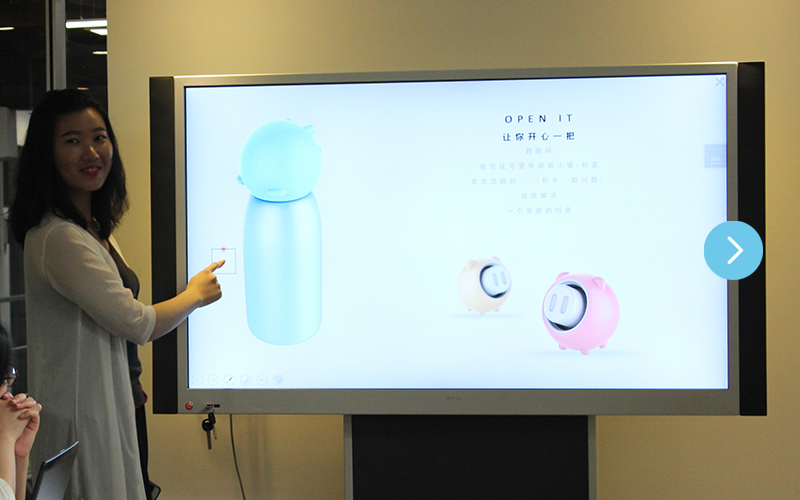
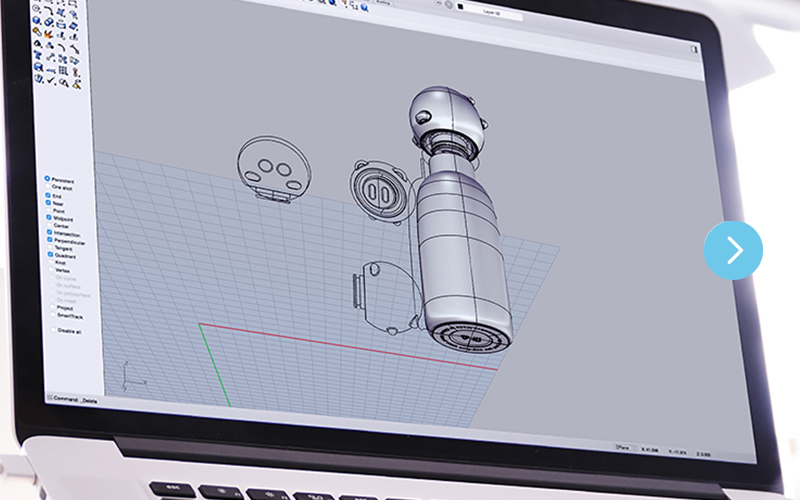
Diller product team reviewing a new kids bottle concept
Product reference / 01
What should buyers check first in a bottle supplier?
Begin with one target product and one destination market. Ask the supplier to identify the exact model, materials, capacity, lid system, intended use, packaging and available documentation. This produces more useful evidence than starting with broad questions about factory size or asking for every certificate in one folder.
Diller has 16 years of drinkware experience and supports both Diller Kids branded distribution and OEM/ODM projects. Buyers can review the Diller Kids company profile, current catalogue and development process before preparing a supplier evaluation.
Start with product-level evidence
| Evidence | What it should identify | Why it matters |
|---|---|---|
| Product specification | SKU, capacity, dimensions, weight, materials, lid and accessories | Creates one controlled reference for quotation and inspection |
| Approved sample | Colour, function, assembly, decoration and packing | Turns visual expectations into a physical reference |
| Material or test document | Exact model or component, scope, method and result | Prevents unrelated reports from being treated as universal |
| Packing specification | Individual pack, carton quantity, dimensions, weight and marks | Supports landed-cost and warehouse planning |
| Inspection plan | Sample method, checks, acceptance and corrective action | Defines how production will be verified before shipment |
Ask the supplier to explain any difference between catalogue images, the sample and current production. Changes in colour, surface treatment, lid components or accessories should be approved before order confirmation.
Review the complete bill of materials
A bottle body described as Tritan, PPSU or stainless steel is only part of the finished article. The lid, straw, spout, silicone seals, coating, printed decoration and removable accessories may involve different materials and suppliers. A useful declaration identifies the relevant components and intended use rather than relying on a single “food grade” sentence.
The U.S. Food and Drug Administration distinguishes a food-contact substance, material and finished food-contact article. Its official food ingredient and packaging terms help explain why the finished bottle needs product-level review.
Ask how quality is controlled in production
Supplier answers should describe incoming material checks, first-piece approval, in-process controls, functional testing, final inspection and batch traceability. For insulated bottles, performance checks may include vacuum or temperature-related controls. For plastic bottles, buyers may focus on moulding consistency, lid fit, component assembly and intended-use testing.
Ask who records nonconformities, how corrective actions are approved and how replacement production is verified. The European Commission states that food-contact materials should be manufactured under good manufacturing practice with documented quality assurance and quality control systems. See the official EU food-contact legislation and GMP overview.
Use samples as a controlled approval stage
Request the sample configuration in writing: model, material, colour, decoration, lid, accessories and packing. After review, record any required changes and approve a final reference. Keep that sample available for incoming inspection and complaint comparison.
Test the functions relevant to the intended use. These may include opening and locking, drinking flow, seal assembly, carrying, cleaning access, dimensional fit and packaging protection. A sample that looks good in a photograph is not sufficient if the buyer has not checked how it works.
Normalise quotations before comparing suppliers
Two unit prices may cover different scopes. Confirm whether the quotation includes standard colour, logo, packaging, accessories, individual box, master carton, testing, inspection or tooling. Record the Incoterm, currency, quantity, lead-time assumption, payment schedule and quotation validity.
Request carton quantity, dimensions and gross weight so freight and warehouse implications can be compared. A lower factory price can become less competitive when packing volume, missing accessories or relabelling are added later.
Evaluate capacity and supply continuity
Factory capacity should be connected to your model and required delivery window. Ask which parts are produced internally, which are sourced and where the main schedule risks occur. For a branded in-stock order, confirm current inventory and replenishment. For OEM/ODM, separate sampling, tooling, pilot and mass-production timing.
Continuity also depends on change control. Ask how material, component or packaging changes are communicated and approved. A supplier that provides early notice and a revised sample gives the buyer more control than one that treats substitutions as minor details.
A practical supplier scorecard
- Product fit: suitable models, capacity, function and channel positioning.
- Evidence: clear specifications, samples, declarations and test scope.
- Quality control: documented checks, traceability and corrective action.
- Commercial clarity: complete quotation, packing data and realistic timing.
- Communication: accurate answers, controlled changes and response ownership.
- Continuity: stock or production path, replacement support and replenishment.
Use the same scorecard for every candidate and weight the factors that matter to your market. To evaluate Diller Kids against a specific project, send the model list, destination and required documents through the partner inquiry.
Shortlisted buyers can also compare the current Diller Kids product range and the quality and safety process before the supplier review call.
Frequently asked questions
Is a factory audit enough to approve a supplier?
No. A factory audit can support qualification, but buyers still need model-specific specifications, samples, documentation, quality controls, packing data and commercial terms.
Should buyers ask for every certificate before choosing a model?
Start with the destination, intended use and shortlisted model. Then request the documents relevant to that product and market. A large unrelated certificate folder can create false confidence.
How should two supplier quotations be compared?
Normalise model, materials, colour, logo, packaging, accessories, quantity, Incoterm, testing, inspection, lead time and payment assumptions before comparing unit price.
Sources and further reading
Built on 16 years of drinkware experience.
Our buyer guides combine product development, material, quality-control and international market experience. Confirm final specifications and destination requirements for each selected SKU.
Build a clearer Diller Kids inquiry.
Share your market, channel, preferred models and estimated quantity. We will confirm suitable products, availability and the next commercial step.