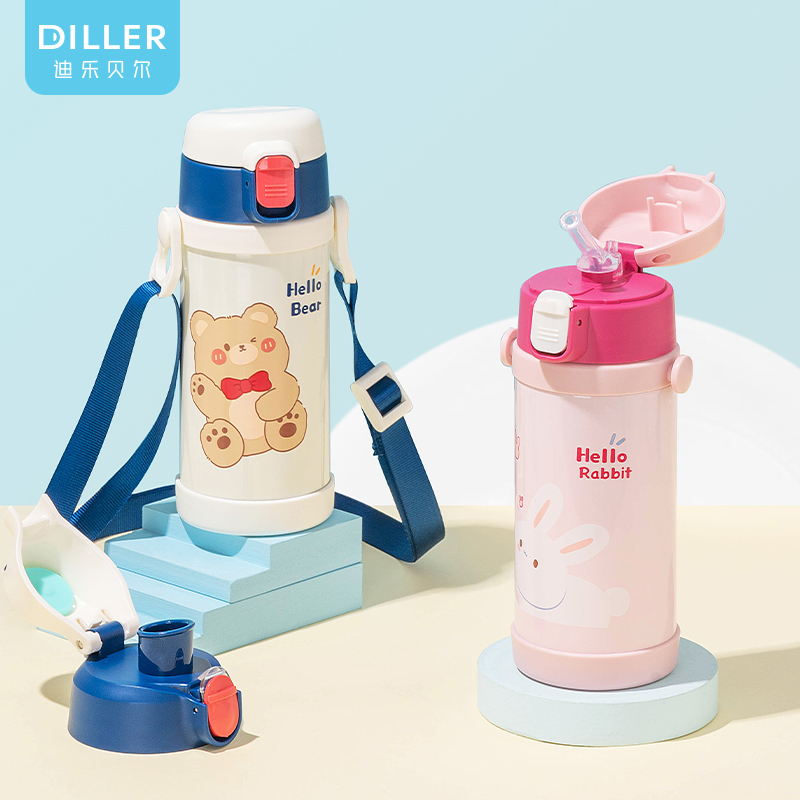

Kids Water Bottle Sizes: A Wholesale Capacity Guide
The best kids water bottle size depends on age positioning, school-day length, climate, filled weight, carry method and retail price. Wholesale buyers should treat capacity as a range-planning decision: each size needs a clear customer, channel and reason to exist.
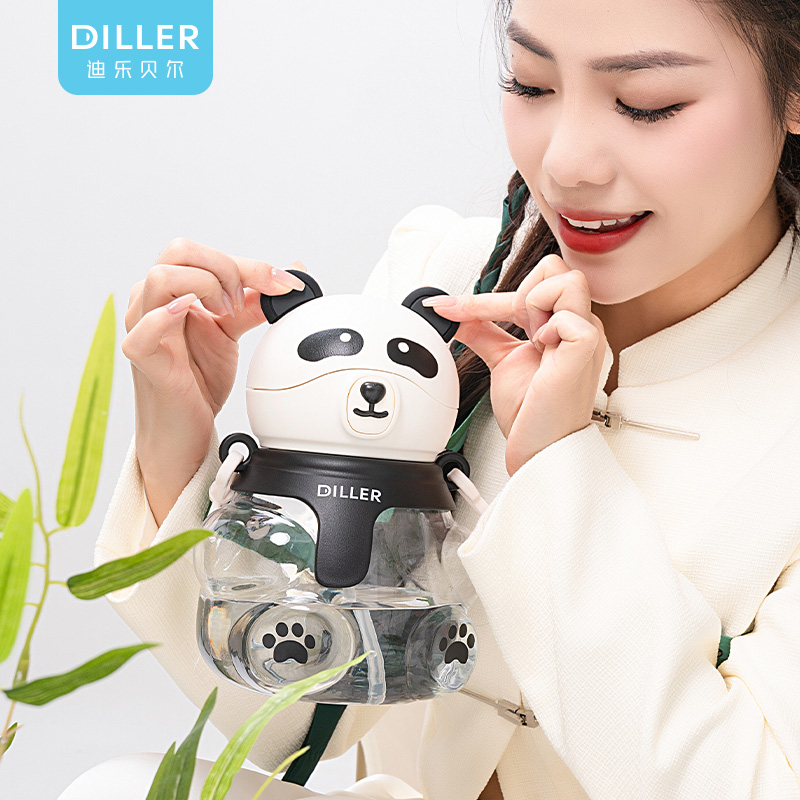
Panda Large-capacity Straw Jug (D2416) for long school days and travel
Product reference / 01
Which kids water bottle size should a wholesaler choose?
A 350-450 ml bottle can suit younger users and compact bags, a 500-650 ml bottle is a practical core school range, and a 700-900 ml model can serve longer days, sport and travel. These are merchandising bands, not universal age rules. Local school routines, climate, customer preference and the filled weight of the final product should guide selection.
A distributor normally benefits from carrying two or three differentiated capacities rather than one size in many similar designs. Review the Diller Kids wholesale collection and compare capacity alongside material, lid and carrying system.
Compare the main capacity bands
| Capacity band | Typical range role | Buyer checks |
|---|---|---|
| 350-450 ml | Compact entry, younger users, short trips | Lid operation, grip, bottle diameter and bag fit |
| 500-650 ml | Mainstream school and everyday carry | Balance of capacity, filled weight, cleaning and price |
| 700-900 ml | Long school days, warm climates, sport and travel | Handle or strap strength, filled weight and carton volume |
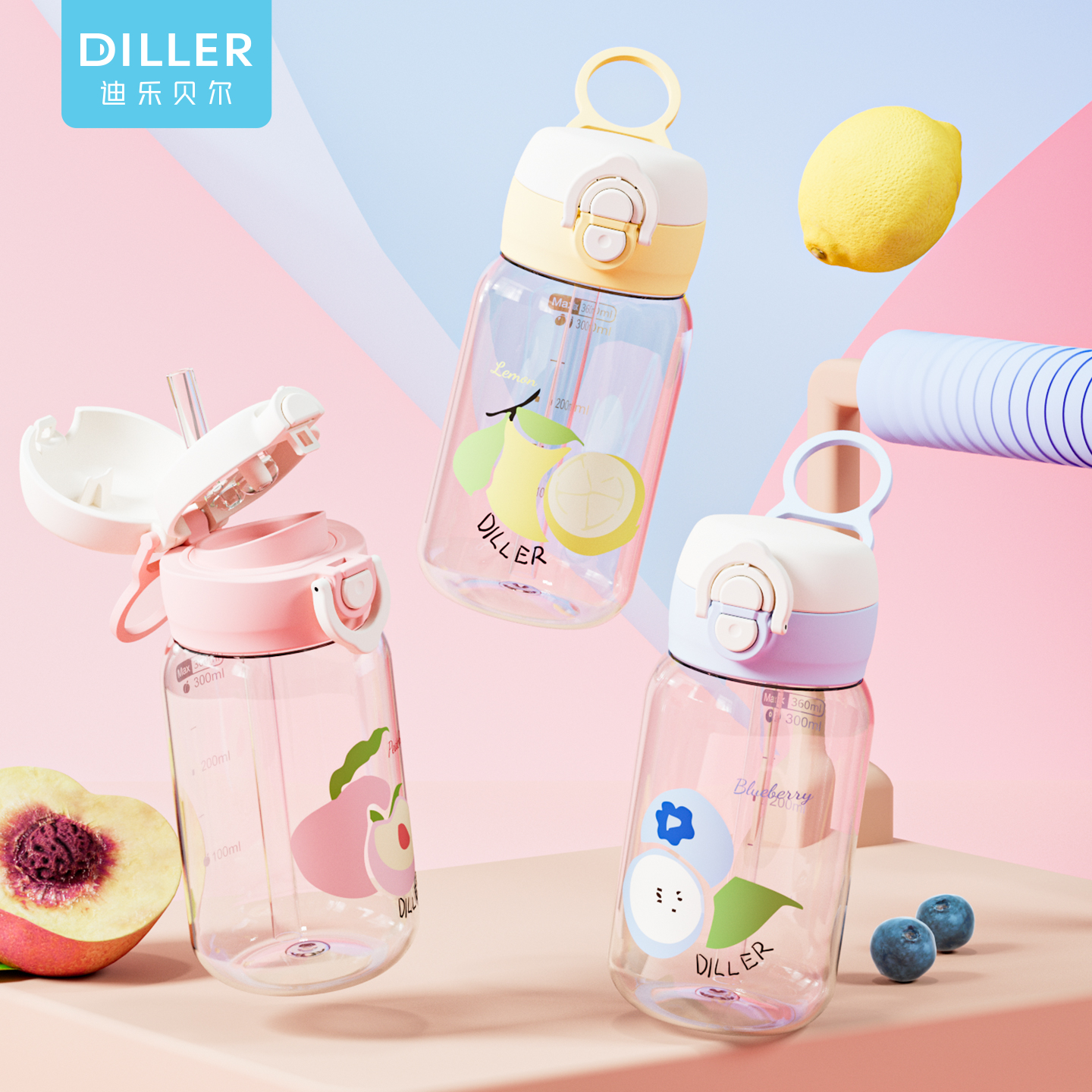
D2624 provides a compact 380 ml Tritan option, while D2407 sits in the core range at 600 ml. D2416 creates a 900 ml large-capacity role. The products should be compared as different solutions, not only as small, medium and large versions of the same item.
Nominal volume is not the same as carrying comfort
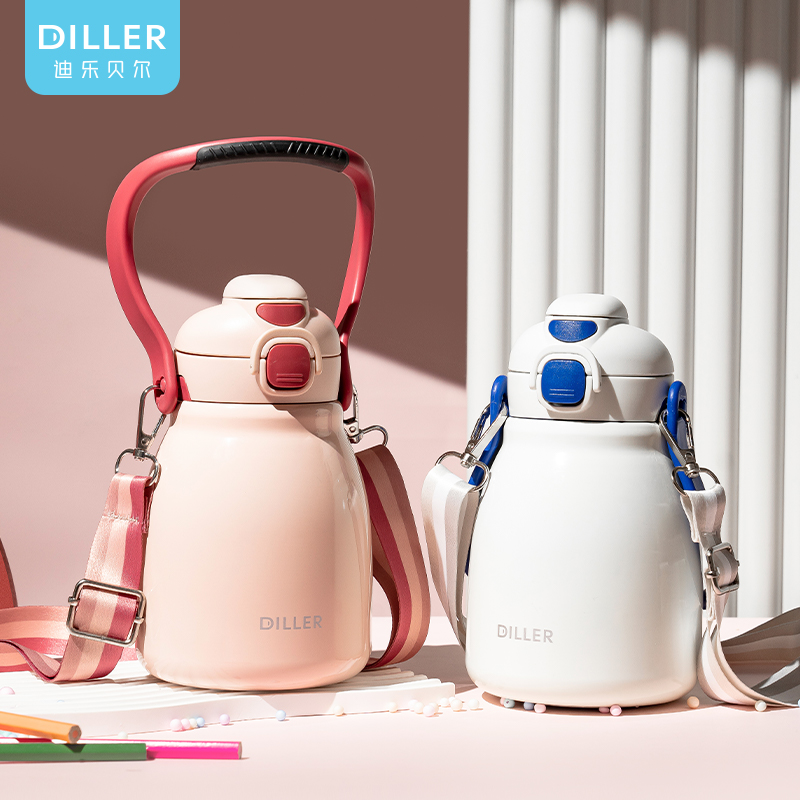
Every millilitre of water adds approximately one gram before the bottle, lid and accessories are counted. A larger capacity therefore changes the total carrying load. Buyers should request net product weight, fill a sample to its nominal level and evaluate how the handle or strap feels in real use.
Diameter matters as much as height. Check whether the bottle fits common school-bag pockets, vehicle holders and retail shelf formats in the destination market. A wide base can improve stability but may reduce compatibility with narrow pockets. A tall bottle can fit a smaller footprint but become less comfortable for younger users.
Match capacity to the drinking system
Compact bottles often work well with simple straw or direct-drink lids. Mid-size school bottles can support dual-drink systems that widen age positioning. Large-capacity models need a lid, handle and strap that remain practical when the bottle is full. Review whether the straw reaches the intended low point and whether the drinking flow matches the use case.
For insulated bottles, capacity also affects product weight, exterior dimensions and carton utilisation. A compact insulated model may occupy a premium price tier despite holding less water because its value proposition is temperature retention rather than volume alone.
Create a capacity and price ladder
Assign one sentence to each model. For example: “compact dual-drink bottle for younger school users,” “core everyday school bottle with protective grip,” and “large handled jug for long days.” If two products need the same sentence, they may overlap too much for the first assortment.
Keep colour choices controlled within each capacity. This lets the buyer compare actual size demand instead of confusing capacity with an oversized colour test. Review sell-through by model and colour separately before adding more variants.
Capacity changes packing and landed cost
Request individual box size, master-carton quantity, carton dimensions, gross weight and product protection method. Larger handles, straps and character parts can improve retail appeal but reduce units per carton. Compare landed cost per saleable unit and warehouse space, not only the factory unit price.
Ask whether colours can be packed in an agreed ratio and whether model labels remain visible during receiving. A clear carton mark should identify SKU, colour, quantity and batch. This makes replenishment and complaint tracking easier for the distributor.
Connect capacity to intended use and documentation
The purchase file should identify intended drinks, temperature limits, cleaning instructions and destination requirements. The FDA distinguishes food-contact applications by food type and condition of use, while the EU framework requires food-contact articles to meet applicable safety, manufacturing and traceability rules. Review the official FDA food-contact terminology and EU food-contact legislation overview.
These sources do not replace model-specific testing. They show why a capacity claim and a general “food grade” statement are not a complete specification. Confirm the exact materials, components, intended use and documentation for every selected SKU.
Capacity selection checklist
- Define customer age positioning, school-day length and main channel.
- Select two or three capacity roles with minimal overlap.
- Check net and filled weight, diameter, height and carrying method.
- Compare lid operation, cleaning access and intended drinks.
- Request carton quantity, dimensions, weight and colour allocation.
- Test the opening range before expanding capacities or variations.
For the next step, compare the Diller Kids material and quality process and review the brand distribution programme before submitting a capacity shortlist.
Frequently asked questions
Is 500 ml the best kids water bottle size?
It is a useful core capacity for many ranges, but there is no universal best size. Younger users may prefer a smaller bottle, while longer days and warm climates may support larger capacities.
Should capacity be selected by age alone?
No. Buyers should also consider school duration, climate, filled weight, bottle diameter, carry method, bag fit, channel and price positioning.
Why do larger bottles affect landed cost?
Larger bodies, handles and straps can reduce units per carton and increase gross weight or warehouse space. Compare carton data and landed cost rather than factory unit price alone.
Sources and further reading
Built on 16 years of drinkware experience.
Our buyer guides combine product development, material, quality-control and international market experience. Confirm final specifications and destination requirements for each selected SKU.
Build a clearer Diller Kids inquiry.
Share your market, channel, preferred models and estimated quantity. We will confirm suitable products, availability and the next commercial step.